Efficient Soft-Shelled Turtle Farming in Early Spring: Getting the Five Key Points Right Is Crucial
Strengthening spring management of soft-shelled turtles is the top priority in spring turtle farming, and the main task is to get five key points right:
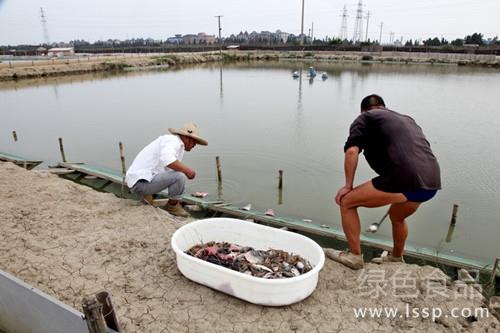
Feeding soft-shelled turtles
1. Water quality: Soft-shelled turtles like clean water and fear dirty water, and a good water environment helps them grow steadily. 1) Water changing and waste discharge: For open-air overwintering ponds and greenhouse overwintering ponds, when the weather becomes relatively stable after the beginning of spring, appropriately replace part of the bottom water and add some fresh water, which can reduce the total amount of waste in the pond, such as harmful bacteria. 2) Water disinfection: Water is one of the main routes of disease transmission, and regular and timely disinfection of water can control the occurrence of soft-shelled turtle diseases. During early spring, soft-shelled turtles are weak in constitution, so mild drugs such as iodine preparations and bromine preparations should be used. 3) Water quality regulation: Most of the pathogens causing soft-shelled turtle disease are opportunistic pathogens that do not easily survive in a slightly alkaline environment, so quicklime should be used regularly to adjust the pH value of the water, keeping the pH value at 8-8.5. During early spring, the amount of quicklime should not be too large. Regularly use microbial preparations such as photosynthetic bacteria and EM bacteria. On the one hand, this can effectively purify the water body; on the other hand, splashing biological preparations in new ponds can very well lock in and stabilize the water color. Appropriately stocking aquatic plants such as water hyacinth and water spinach can also purify the water body. 4) Control water color: Water color directly reflects the population and state of beneficial algae in the water body, and the water color of soft-shelled turtle ponds should remain green so that the water body remains stable. 5) Fertilize water and cultivate algae: In new ponds, fertilizing water and cultivating algae should be increased to create a suitable environment for soft-shelled turtles and enable them to quickly adapt to the environment. This is the reason for 'stocking with fertilized water.'
2. Temperature: There are not three clear days in spring, and the weather in early spring is changeable. Whether it is lowering the water level to raise water temperature in open-air ponds or raising the water level to prevent high temperatures, ventilating for air exchange, and changing water and discharging waste in greenhouse ponds, all should depend on the weather conditions, and large-scale drainage and irrigation should be avoided. For graded transfer between ponds in early spring, changes in air temperature and water temperature should also be grasped, especially water temperature changes, which should preferably not exceed 3°C. If the temperature difference is too large, stress reactions will occur in either the original culture pond or the stocking pond, causing mass mortality.
3. Nutrition: As temperatures rise, soft-shelled turtles become more active, move frequently, and consume more energy. Feed should be provided promptly according to the situation, and the feeding amount should be appropriately increased, with more energy-supplying substances, vitamins, and microbial preparations added to the feed. For soft-shelled turtles in open-air ponds, promptly feed fish, snails, animal liver, and so on to attract feeding. When appetite is strong, increase the amount of compound feed and add multivitamins and microbial preparations.
4. Disease prevention: Early spring is a period when soft-shelled turtle diseases occur frequently, mainly including colds, skin rot and perforation syndrome, fungal diseases, and hemorrhagic disease. Prevention and treatment should be carried out together, with ecological prevention alongside drug treatment. It is advocated to add microbial preparations to the water body and feed, plant a certain area of aquatic plants in the water body, and stock a certain number of silver carp and bighead carp to purify the water body, while also feeding effective Chinese herbal medicines. This is not only economical but also effective, and at the same time meets the requirements of pollution-free aquaculture.
5. Breeding: For breeding parent soft-shelled turtles, high-quality and sufficient feed must be supplied. Soft-shelled turtles are omnivorous animals that mainly eat animal food, mainly small fish and shrimp. The feeding amount is generally 15%-20% of the weight of the parent soft-shelled turtles. To keep the food fresh and make it easier to monitor the feeding situation of the soft-shelled turtles, build a feed platform with a frame slightly below the water surface at the pond edge, or string the feed on iron wire and hang it into the water. To solve the shortage of natural feed, various regions have developed some basic formulas for artificial compound pellet feed for soft-shelled turtles. The protein content of the main feed should be above 40%, generally about 60%, to benefit the development of the gonads and egg laying of soft-shelled turtles. Especially before egg laying in spring, intensive breeding should be carried out to strengthen the constitution of parent soft-shelled turtles and increase the egg-laying rate. Management should be strengthened during the breeding of parent soft-shelled turtles, removing residue and paying attention to water quality. If dead or diseased soft-shelled turtles are found, they should be promptly removed and disposed of.