Comprehensive Prevention and Treatment Methods for Grass Carp Complications: Refusal to Feed, Swimming Alone, Red and Swollen Gill Filaments and Anus
We usually refer to the simultaneous occurrence of grass carp bacterial gill rot, enteritis, and red skin disease, or any two of these conditions, as "grass carp comprehensive complications." With the improvement of intensive culture levels, especially the use of pelleted feed, this condition occurs frequently. One farmer has worked out the following prevention and treatment methods for reference by peers.
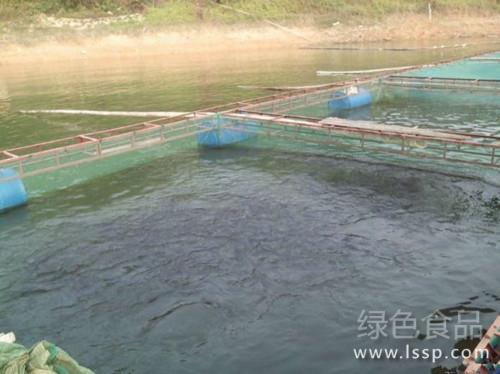
Grass Carp Farming
1. Disease symptoms: Affected grass carp move slowly, have darkened body color, do not feed, and swim alone away from the school; gill filaments are red and swollen, with debris attached, and the tips are rotted, exposing the cartilage. The inner epidermis of the operculum is congested and inflamed, and in severe cases is corroded, presenting a "open skylight" appearance. The anus is red and swollen. When the fish body is dissected, mesenteric bleeding and intestinal wall inflammation can be seen; in severe cases, the intestine is purplish red, basically contains no food, and has yellow viscous matter with blood streaks; a small number of grass carp show rotting around the anus; the liver and spleen are slightly swollen, the liver is earthy yellow with some bleeding, and is brittle and easily broken. At death, half of the fish body is exposed above the water surface at a 45-degree angle, rushing diagonally onto the pond bank.
2. Epidemic situation:
It mainly harms one-year-old grass carp, with a mortality rate of about 50%, and in severe cases up to more than 85%. The prevalent water temperature is above 18°C, with a peak water temperature of 25-30°C.
3. Causes:
1. From March to June, there is relatively little rainfall, and many fish ponds have water levels at only half or less than half, leading to relatively high fish density and limited activity space. In the early stage, the pond water is often turbid, with no good environment.
2. In the early stage, grass feed is mainly used, and a large amount of ryegrass is planted on pond banks or elsewhere. After March, as temperatures rise, the fish, having gone through a winter, have a large feeding appetite and grow quickly. Seeing this, many fish farmers feed blindly, with grass feed available in the pond 24 hours a day. Excessive intake of coarse grass feed damages the intestinal mucosa, causing intestinal congestion and red and swollen anus.
3. As temperatures rise, a large amount of grass carp feces accumulates at the pond bottom, exceeding the self-purification load of the water body, and water quality deteriorates severely. The water color becomes thick black, and there is a large amount of foam at the downwind edge of the pond, creating favorable conditions for the reproduction of Trichodina and bacteria, increasing the mortality rate of grass carp and accelerating the speed of grass carp death.
4. Prevention and treatment methods:
1. Prevention: ① In early spring, add more fresh water, keep the water level above half, regularly regulate water quality, and improve the water environment. ② Regularly check whether there are parasites such as Trichodina, and thoroughly cut off and block parasite transmission. ③ According to the four-fixed principle, grass feed should preferably be finished in about 3.5 [units of time]. ④ Regularly administer fishery drugs for protecting the liver and promoting gallbladder function orally, to avoid bacterial diseases such as enteritis. ⑤ Regularly splash disinfectants externally to disinfect and sterilize the water body, following the principle of "prevent before disease, treat early when diseased, prevention is more important than treatment, and prescribe the right medicine for the disease."
2. Treatment: ① Reduce the amount of feeding, feed as little grass feed as possible, and feed together with other feed. After the fish disease improves, then slowly increase the amount. ② Regularly perform microscopic examination of grass carp gills for Trichodina. If present, drugs can be used for complete elimination. Check again after two days to see whether they have been killed. If a small amount of Trichodina remains, use once more after three days. At the same time, administer oral drugs. It is recommended to use: enrofloxacin + Vc + stress-relief agent (liver-protecting and gallbladder-promoting drugs). ③ Pay attention to water body disinfection. Especially when silt appears on grass carp gills or gill filaments are red, swollen and forked, timely apply chlorine dioxide or dibromohydantoin and spread evenly over the whole pond. ④ Pay attention to regulating water quality, and do not fertilize arbitrarily, especially in fish ponds that have just stopped fish deaths. After deaths stop, wait another 5-7 days before fertilizing.