Prevention and Treatment Methods for Bovine Blood-Sweat Disease with Nodules on the Body Surface That Rupture and Bleed
Bovine blood-sweat disease, scientifically known as bovine parafilariasis, is caused by Parafilaria bovicola of the family Filariidae parasitizing the subcutaneous tissue and intermuscular connective tissue of cattle. Its characteristics are: it often forms subcutaneous nodules on the body surface of cattle during the warm seasons of summer and autumn; the nodules form rapidly within a short period, then rupture quickly within a few hours, and heal spontaneously without treatment after bleeding; after an interval of 3-4 weeks they appear repeatedly again. This bleeding looks very much like beads of sweat, hence the common name blood-sweat disease.
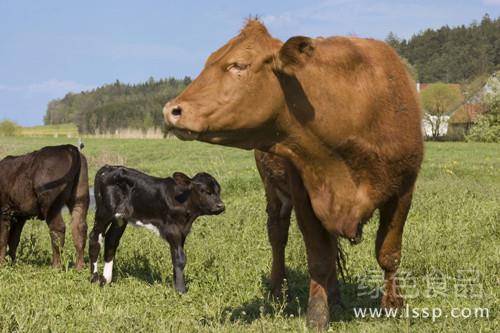
Cattle
I. Epidemiological characteristics.
Bovine blood-sweat disease mostly occurs from June to October each year, with the peak incidence in July and August, and is especially common when sudden intense heat follows rain and clearing skies; it gradually declines in September, and stops on its own from late autumn to winter. Clinical statistics show: water buffalo are affected more than yellow cattle; healthy and strong cattle more than weak, sickly, old and emaciated cattle; and cattle in good fat condition with sparse hair more than those with dense hair and a dry, thin body.
II. Clinical symptoms
1. A bleeding disorder characterized by exudative hemorrhages on the body surface ranging in size from a pinhead to a mung bean, scattered or sometimes in patches. They mostly appear on the lumbar region, back, shoulder blades and ribs, and sometimes form slightly raised nodules on the neck and lumbar region. They usually appear suddenly; after a few hours the nodules rupture and blood flows out, then the nodules disappear; after an interval of 3-4 weeks nodules appear again at different sites, occurring repeatedly until the weather turns cold, and they will occur again after the weather warms up the following year. When the cow sweats heavily, the blood that flows out mixes with the sweat, appearing like a large area of localized bleeding. When the cow sweats little or not at all, the blood flows down along the hair, forming a dark red line of clotted blood stains.
2. Apart from localized epidermal bleeding, the sick cow generally shows no obvious short-term changes in body temperature, pulse, respiration, appetite or spirit, and it will not directly cause the death of the working cattle. However, in cases of severe infection with Parafilaria bovicola and harassment by large numbers of stable flies and mosquitoes, the cow's normal rest and feeding will be affected; long-term chronic blood loss will also affect the cow's growth and development, causing stunted growth, reduced physical strength and poor working capacity, and in severe cases secondary infection may lead to death.
III. Prevention and treatment
1. Drug treatment. Intramuscular injection of ivermectin 5 mg/kg, 3 times in succession, once every other day; avermectin 0.05 g/kg, 3 times in succession, once daily; a 6% solution of lithium antimony thiomalate 30 mL, once every other day, 2 times in succession; antimony potassium pyrocatechol disulfonate 50 mL, 3 times in succession, with an interval of 4 days between each dose. Oral administration of avermectin and miechongding-7051 0.1 g/kg, 5 times in succession, once daily. Fenvalerate 200 mg/kg can also be applied by smearing or medicated bathing to kill adult nematodes, microfilariae and mosquitoes and flies on the body surface and under the skin.
2. Eradicate mosquito and fly breeding grounds. Because mosquitoes and flies like to lay eggs and breed in moist weed thickets, various livestock and poultry manures, garbage and ditches, ditches must be dredged promptly, manure, garbage and weeds cleared away, and harmless treatment such as burying or fermentation carried out, keeping the cattle pen clean at all times.