Prevention and Treatment Methods for Hard Swellings of the Jawbone, Head and Neck Caused by Bovine Actinomycosis
Bovine actinomycosis is a multi-bacterial, non-contagious chronic infectious disease characterized by actinomycotic swellings of the head, neck, submandibular region and tongue, and it often causes rarefying osteitis of the skull.
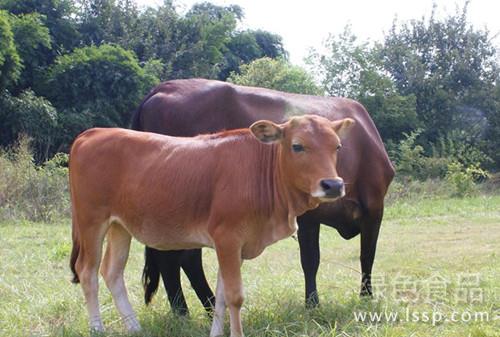
Cattle
Etiology: The main pathogen of bovine actinomycosis is Actinomyces bovis; in addition, Actinobacillus lignieresii and Staphylococcus aureus can also cause similar lesions in cattle. Actinomyces bovis mainly attacks the bones and is a non-motile, non-spore-forming rod-shaped bacterium. In bovine tissues it appears as sulfur-like granules, the size of a pinhead, gray, grayish-yellow or slightly brown, soft or hard in texture. This bacterium has weak resistance and dies within a few weeks in culture. This bacterium generally exists as part of the normal bacterial flora in the oral cavity of healthy cattle. Therefore, this disease can be described as an endogenous infection. The disease is common in cattle, especially young cattle, which are most susceptible, and it occurs sporadically.
The pathogen of this disease exists in contaminated feed, soil and drinking water, and parasitizes the oral cavity, pharynx and tonsils of cattle. Therefore, as long as there is a break in the mucosa or skin, actinomycosis can develop on its own. When cattle are fed feed with prickly awns, the oral mucosa is damaged and infection occurs, causing disease. According to observations, cattle grazed on low-lying wet land also frequently develop this disease.
Symptoms: There is a clearly demarcated, immovable swelling of the jawbone. The swelling usually progresses slowly, and it is generally not discovered until the bone body has thickened or even chewing has become difficult. Sometimes the swelling develops rapidly, spreading to the entire skull within a short time. In the early stage, the swelling is hot and painful; in the later stage, there is no pain.
As time goes on, the teeth loosen and may even fall out; the sick cattle have difficulty swallowing and chewing, and rapidly become emaciated due to malnutrition. Sometimes the skin suppurates and breaks open, discharging pus and forming fistulas that do not heal after long treatment. Hard nodules also often occur in the tissues of the head and neck, without heat or pain. When the tissues of the tongue and pharynx become hard, it is called "wooden tongue disease"; the sick cattle drool and have difficulty chewing. When the udder is affected, there is diffuse enlargement or focal hard nodules, and the milk is viscous and mixed with pus.
Prevention and treatment: To prevent this disease, grazing on low-lying land should be avoided. When housed, it is best to soak hay, grain chaff and other forage before feeding to avoid piercing the oral mucosa, and especially to prevent injuries to the skin and mucosa; if there are wounds, they should be treated promptly.
Hard nodules can be surgically removed; if fistulas have formed, they should be removed together with the fistula. After excision, the new wound cavity is packed with iodine tincture gauze, changed once every 1-2 days, and 10% iodoform ether or a 2% iodine aqueous solution is injected around the wound; potassium iodide is given orally, 5-10 grams per day for adult cattle and 2-4 grams for calves, and can be given continuously for 2-4 weeks; in severe cases, 10% sodium iodide can be injected intravenously, 50-100 milliliters daily, once every other day, for a total of 3-5 times. If during medication the cattle show iodine poisoning signs such as skin rash, hair loss, tearing, emaciation and poor appetite, the dose should be reduced or the medication suspended for 5-6 days; antibiotics are also effective against this disease, and penicillin and streptomycin can be injected around the affected area, with penicillin 2 million units and streptomycin 1 million units, once daily for 5 consecutive days as one course of treatment; at the same time, the combined use of potassium iodide and streptomycin has a significant effect on soft-tissue actinomycotic swellings and wooden tongue disease.