Key Technical Points for the Feeding and Management of Stud Rams
A good ram makes a good flock, a good ewe makes a good litter. Stud rams have a great influence on improving flock quality, conformation, production performance, and breeding. If a superior ram is not raised well, its breeding value will not be high either. Stud rams must be carefully fed and managed, and are required to maintain a medium-to-upper body condition year-round, with a robust constitution, abundant energy, and vigorous semen quality, which can ensure and improve the utilization rate of breeding rams.
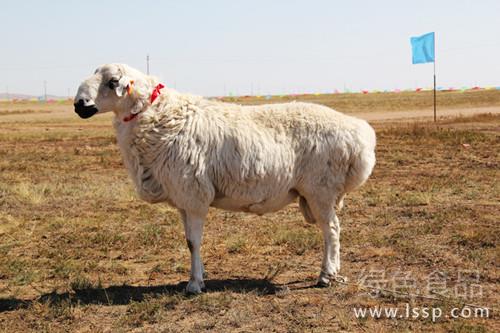
Stud Ram
I. The Diet of Stud Rams:
The diet of stud rams is required to be high in nutritional value, with sufficient protein, vitamins, and minerals, and to be easy to digest with good palatability. Good forage grasses include alfalfa, clover, and green oat grass. Succulent feeds include carrots, sugar beets, and corn silage. Concentrates include corn, sorghum, soybean cake, and wheat bran. The main feed for stud rams is a mixture of high-quality grass and legume hay, which should be fed as much as possible throughout the year. In summer, supplement with half green-cut grass, and in winter supplement with an appropriate amount of silage. If the diet is nutritionally insufficient, supplement with a mixed concentrate. In the concentrate, do not use too much corn or barley, and supplement protein with wheat bran, peas, soybeans, or cake residues. Outstanding stud rams with heavy breeding duties can be supplemented with animal-based feed.
II. Feeding During the Non-Breeding Period:
In order to complete breeding tasks, feeding and exercise must be strengthened during the non-breeding period. Where conditions permit, grazing should be carried out. During the non-breeding period, in addition to grazing, generally in winter each animal is supplemented daily with 0.5 kg of concentrate, 3 kg of hay, 0.5 kg of carrots, 5-10 g of salt, and 5 g of bone meal. In summer, grazing is the main method, with appropriate concentrate supplementation, feeding 3-4 times daily and watering 1-2 times.
III. Feeding During the Breeding Period:
Feeding during the breeding period can be divided into two stages: the pre-breeding preparation period (1-1.5 months before breeding) and the breeding period. During the pre-breeding preparation period, the amount of feed should be increased, provided at 60%-70% of the breeding-period feeding amount, and gradually increased to the concentrate allowance of the breeding period. During the breeding period, stud rams are in a state of nervous excitement, often restless and unable to settle down to eat; management during this period must be especially careful, rising early and sleeping late, giving small amounts frequently, and feeding multiple times. Feed quality must be good; when necessary, supplement with some fish meal, eggs, or goat milk to replenish the nutrients heavily consumed during the breeding period. During the breeding period, if the protein quantity is insufficient or the quality is poor, it will affect the ram's performance, semen quality, and conception rate. Daily feed during the breeding period: 1.2-1.4 kg of mixed concentrate, 2 kg of alfalfa hay or wild hay, 0.5-1.5 kg of carrots, 15-20 g of salt, 5-10 g of bone meal, and 5 g of blood meal or fish meal, with forage given in 2-3 portions and water 3-4 times. Daily grazing or exercise time is about 6 hours. The prepared concentrate should be evenly scattered in the trough, and the stud ram's appetite should be observed frequently so as to adjust in time and judge the ram's health status. Stud rams should be kept away from ewes; otherwise, when a ewe bleats, the ram will stand at the door, climb the wall, and look around, which affects its feed intake. The stud ram shed should be chosen in a ventilated, sunny, and dry place. Each ram needs about 2 square meters. High temperature and humidity have adverse effects on semen quality; during this period, grazing should be done on cool high ground, and the animals should rest in a well-ventilated shady place.
Breeding and semen collection of stud rams should be moderate. One ram can generally handle the breeding task of 30-50 ewes. Semen collection for stud rams begins 1-1.5 months before breeding, and semen quality is checked at the same time. In the first week, collect semen once; from the second week, increase to twice a week; by the time of breeding, collect 1-2 times daily, but do not collect semen continuously. For a 1.5-year-old stud ram, semen collection should not exceed 1-2 times in a day. For a 2.5-year-old stud ram, semen can be collected 3-4 times daily. When semen is collected frequently, there must be rest in between, and the ram should not be fed too full before semen collection.