Blind Spots in Dairy Cattle Feeding Affect Milk Production, Only Standardized Management Can Achieve High Yields
At present, some dairy cattle farmers still have blind spots in dairy cattle feeding, especially for high-yielding dairy cattle, lacking standardization. Proper feeding can maintain the health of high-yielding dairy cattle, extend their years of use, give full play to their milk production performance, reduce feeding costs, and increase economic benefits. Below are several operating procedures for the daily ration feed supply of high-yielding dairy cattle for reference.
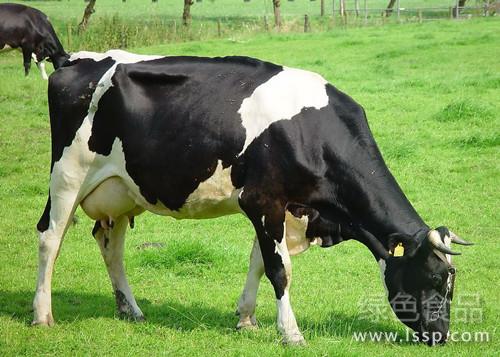
Dairy Cattle
1. During the dry period, dairy cattle should be fed controlled amounts of concentrate, with the daily ration based mainly on roughage, but they should not be fed excessive amounts of alfalfa hay and corn silage. At the same time, minerals and salt should be supplemented, and a certain amount of long hay must be fed.
2. Dairy cattle must be carefully fed during the transition period. Two weeks before calving, gradually increase the concentrate, but the maximum feeding amount should not exceed 1% of body weight. Beet pulp must not be fed, and other pomace and residue-type feeds should be appropriately reduced. One to two days after calving, feed easily digestible feed, supplement 40-60 grams of sodium sulfate, allow free access to high-quality forage, appropriately control the amount of salt, and do not let the cattle drink cold water. On the 3rd to 4th day after calving, gradually increase the concentrate feeding, increasing by 0.5-0.8 kg per day, and the amount of silage and root tubers fed must be controlled. Two weeks after calving, when the dairy cattle's lochia has been completely discharged, the physiological swelling of the udder has disappeared, the appetite is good, and digestion is normal, the daily ration can be fed according to the standard, and silage and root tuber-type feeds can be gradually added, but overconsumption of pomace and residues, root tubers, and digestive dysfunction should be prevented.
3. During the peak lactation period, dairy cattle must be fed high-energy feed so that high-yielding dairy cattle maintain a good appetite. Allow them to consume as much dry matter and concentrate as possible, but not excessively. Appropriately increase the number of feedings, and feed more feed of good quality and strong palatability. During the peak lactation period, green hay and silage should be available for free consumption.
4. In the middle and late lactation periods, the energy and protein content in the daily ration should be gradually reduced; in the late lactation period, the concentrate can be appropriately increased, but dairy cattle should be prevented from becoming overweight.
5. First-pregnancy cattle should be transferred into the adult cow herd 2-3 months before calving and fed according to the nutritional level of adult cows during the dry period. After calving, the feeding amount should be increased by 20% to maintain nutritional needs, and increased by 10% for the second parity.
6. The annual feed supply should be balanced and stable, the winter and summer rations must not be too different, and feed must be reasonably matched. When formulating the daily ration, the recommended maximum feeding amounts of various feeds are: green hay 10 kg (not less than 3 kg), silage 25 kg, green grass 50 kg (tender and high-quality green grass can be appropriately increased), pomace and residue types 10 kg (white distiller's grains not exceeding 5 kg), root tubers, stem tubers, and melon and fruit types 10 kg, corn, barley, oats, and soybean cake 4 kg each, wheat bran 3 kg, and beans 1 kg.
7. Dairy cattle in the peak lactation period, with a relatively high daily milk yield, or in special stages (dry period, late gestation) should have obvious markings so that they can be fed differently. Feeding must be timed and quantified, with 3-4 feedings per day. It is recommended that concentrate and roughage be fed alternately multiple times, and supplementary feeding troughs should be set up in the exercise yard for free consumption by the dairy cattle. During the feeding process, feed should be given in small amounts and frequently replenished, to prevent overeating of concentrate and pomace and residue feeds.
8. The summer ration should appropriately increase nutrient concentration, ensure sufficient drinking water supply, reduce the crude fiber content in the feed, increase the proportion of concentrate and protein, and supplement root tuber, stem tuber, and melon-type feeds; the winter ration should be nutritionally rich, increase energy feed, and keep the drinking water temperature at 12-16°C, and dairy cattle should not drink cold water.