Squab being thin and small affects economic returns; how do you treat it according to the cause?
In pigeon breeding operations, improper feeding and management can easily lead to thin and small squabs. If there are many of them, this will directly affect the profitability of pigeon farming. The solutions are as follows:
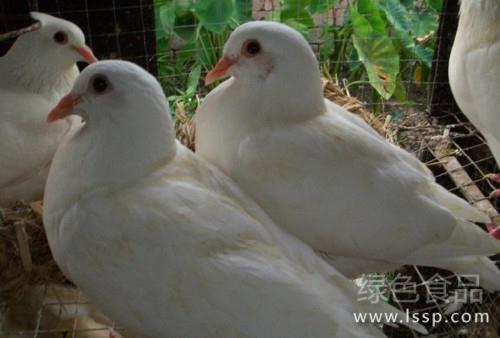
Squab
1. Health grit can keep squabs in a vigorous state of digestion and good absorption. If the various nutrients in the health grit are incomplete, the preparation process is unscientific, or the method of use is improper, the nutrients the squabs themselves need cannot be met, their growth and development are hindered, and the squabs will be on the thin and small side. Therefore, health grit should be used correctly.
2. Supply of drinking water. Frequent water shortage will cause dehydration of the squabs' tissue cells, raise body temperature, and affect a series of biochemical reactions such as digestion, absorption, and metabolism, leading to hindered growth and development and a thin body in squabs. A sufficient supply of clean drinking water should be provided all day.
3. Insufficient feed at each meal can also cause squabs to be thin and small. To avoid this phenomenon, the following feeding method can be used: that is, parent pigeons without squabs are fed three meals a day, and parent pigeons with squabs are given one additional meal at night.
4. If the ambient temperature where the squabs are kept is too high, they are prone to respiratory diseases and their bodies become smaller and thinner; if the temperature is too low, on the one hand they will suffer from pneumonia and diarrhea, and on the other hand, squabs must consume a large amount of energy to maintain body temperature balance. These factors can all cause squabs to become emaciated, so suitable temperature is a necessary condition for ensuring the healthy growth of squabs.
5. After newly hatched chicks break out of the shell, the umbilical cord and wound remain. If proper hygiene, cleaning, and disinfection are not carried out, filth in the nest can be contaminated and inhaled through the umbilical wound, and bacteria will spread and multiply at the umbilical wound. After one week, the area around the umbilical cord begins to become red and swollen, and the abdominal contents droop. This disease can seriously affect the growth of young pigeons. Iodine tincture should be used to disinfect the umbilical wound.
6. When nests are artificially combined so that each nest has 3—4 squabs, because there are many squabs, the pigeon milk fed to each squab is not enough, the squabs cannot eat their fill, malnutrition occurs, and the squabs become thin. Therefore, it is best to keep two squabs per nest.