What to Do About High Stress in Beef Cattle? Key Feeding and Management Points for Early Spring When Temperatures Change Abruptly
In the chilly early spring, as temperatures gradually rise and daylight hours gradually lengthen, beef cattle, although fairly adaptable to cold, are prone to stress reactions from abrupt temperature changes and temperature differences, which can trigger various diseases. Therefore, doing a good job of feeding and health care for beef cattle in early spring is especially important. During the cold spell of spring, attention should be paid to the following seven aspects of beef cattle feeding and health care:
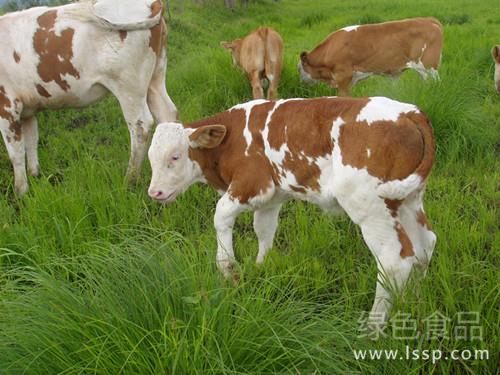
Beef cattle
1. Disease prevention. Many beef cattle farms breed their cattle in winter; winter breeding avoids calving in the hot summer, which not only helps beef cattle achieve high yields but also makes calf rearing easier and improves calf health. At present, beef cattle are almost entirely bred by artificial means, but when some breeders perform artificial insemination on beef cattle, poor technique and carelessness, along with incomplete hygiene and disinfection, can easily cause varying degrees of trauma or infection to the vagina and uterus of the beef cattle. During the cold spell of spring, the vaginal secretions of beef cattle should be observed every day for any abnormal lesions, and prevention work for diseases such as metritis should be done well; when disease is found, treat it early to ensure the health of beef cattle during the cold spell of spring.
2. Forage and feed. Each daily ration for beef cattle should contain no fewer than 3 ingredients, with the ration based mainly on high-quality hay, more silage fed, and supplementary feed giving more green, succulent feed such as carrots and potatoes; coarse feed should be fed until the beef cattle are full, while the amount of concentrate feed should be determined according to the individual beef cattle and their requirements.
3. Drinking water. During the cold spell of spring, the drinking water temperature for beef cattle should be 10°C~12°C. Where conditions permit, the drinking water should be disinfected at high temperature and cooled to 10°C~12°C. It must be ensured that the beef cattle have sufficient drinking water.
4. Persist in brushing the cattle's bodies. Ensure two 8~10 minute health brushing sessions of the cattle's bodies each morning and evening; the health brushing should cover the whole body of the beef cattle, and the udder should be gently grasped, kneaded and massaged by hand, which helps prevent udder inflammation in beef cattle.
5. Increase sunbathing time. Regular sun exposure has a health-promoting effect on beef cattle, strengthening their immunity and preventing various infections, because ultraviolet rays in sunlight can kill pathogenic microorganisms. Ultraviolet rays can also increase calcium absorption. In the depths of winter, beef cattle consume large amounts of heat energy and nutrients in their bodies to resist the cold, and calcium intake is relatively lost in large amounts; calcium intake requires vitamin D in the blood of beef cattle. Natural vitamin D can only be absorbed into the blood of beef cattle after being converted into vitamin D2 and vitamin D3 by ultraviolet irradiation.
6. Appropriately increase exercise. As temperatures rise in early spring and the weather turns warmer, beef cattle get used to lying down after eating and are unwilling to move. The daily exercise time for beef cattle should be increased by 2~3 hours, which not only promotes the health of beef cattle but also promotes their milk production. On bright, mild, sunny days, drive the cattle to an open grassy field to breathe the fresh air of nature and let the herd move freely, which is crucial to the health of beef cattle.
7. Keep the cattle shed temperature stable. In spring the weather is sometimes cold and sometimes hot, with large temperature differences between day and night, and raisers easily neglect cold protection for beef cattle, which can easily lead to disease in beef cattle and result in excessively high rearing costs. Therefore, after keeping the shed ventilated for 3~5 hours during the day, close the doors and windows in time and adjust the ventilation holes well; disinfect regularly, clean up beef cattle manure in time, keep the shed dry and clean, and promptly replace the bedding straw on the ground that has been contaminated by manure, so as to create a suitable living environment for beef cattle.