Prevention and Treatment Methods for Wound Infection Caused by Pigs Biting Each Other, Threatening Pig Farming Profits
Pigs biting each other, also known as "discomfort syndrome," can be caused by any uncomfortable environmental factor that triggers biting and fighting among the herd. In mild cases, the tail is left half-bitten; in severe cases, it is completely bitten off, and some pigs also have their ears bitten. This phenomenon often occurs at feeding time. Bitten pigs often hide in corners, and if not treated in time, wound infection can result. Such infection can cause local inflammation and tissue necrosis in pigs and reduce carcass quality. Tail-biting and ear-biting in pigs can be caused by many factors, so measures must be taken to prevent and control it.
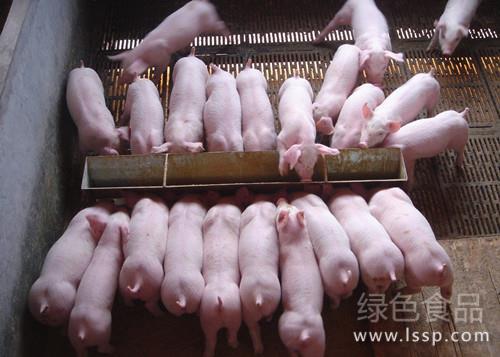
Pig herd
(1) Nutrition: Under housed feeding conditions, all the nutrients pigs need for growth depend entirely on feed supply. When feed nutrition is unbalanced, pigs become stressed and bite each other. Examples include feed nutrient levels below standard values; unscientific feed formulation; poor protein quality in the feed during the early fattening stage; and deficiencies in vitamins, iron, copper, calcium, magnesium, salt, and insufficient fiber.
(2) Environment: Poor sanitation in the pig house, high concentrations of harmful gases such as ammonia, carbon dioxide, and hydrogen sulfide, excessively high or low temperatures, and reduced ventilation speed can make the herd uncomfortable or unable to rest well. In harsh environments, overly strong light can also promote vice behaviors in the herd.
(3) Management: Excessive stocking density causes pigs to come into contact and conflict with each other, and they bite and fight over feeding and drinking positions. When pigs in one pen vary greatly in body weight, the smaller and weaker pigs are often bitten, and once bitten, all the pigs may go and bite them. Insufficient troughs or inadequate drinking water often triggers outbreaks of biting and fighting.
(4) Disease: External parasites can become an additional stressor. External parasites irritate the skin and make pigs restless; they rub against walls and pen rails in the house, develop wounds, and provoke biting by other pigs. Internal parasites such as roundworms can also lead to tail-biting, so deworming should be carried out in time. Anemia and necrosis of the tail tip in pigs can also induce tail-biting and ear-biting; in addition, pigs also bite the ribs and other parts, such as the hooves, legs, neck, and hock joints.
(5) Dominance-related biting and fighting: To make full use of pig pens, animals are sometimes regrouped. After regrouping, the original social order of the herd is disrupted (for example, when two pens of piglets are merged, there are two first-ranking individuals), and a new order needs to be established. Biting and fighting occur especially around eating and sleeping as they sort out rank, and once the new order is established, they calm down.
To prevent biting and fighting in the pig herd, the following aspects can be addressed:
(1) Meet the nutritional needs of pigs and feed a complete-price diet. When tail-biting is found, an appropriate amount of compound vitamins and minerals can be added to the feed, feeding should be done at fixed times and in fixed amounts, and moldy or spoiled feed must never be fed. (2) Group pigs reasonably, keeping pigs of similar breed, body weight, constitution, and feed intake in the same pen. (3) Stocking density should be appropriate, ensuring each pig has enough floor space; for example, for pigs 3 to 4 months old, the pen area should be 0.5 to 0.6 square meters. (4) The environment should have good ventilation, warmth, moisture protection, and appropriate lighting to ensure the house is sanitary, dry, and well ventilated. (5) Tail docking of piglets: piglets 1 to 2 days old can have their tails docked. According to reported data, after tail docking, only 0.25% developed tail-biting, while the incidence in those not docked was 6.86%, a difference of 27 times. Method: At one-third of the distance from the base of the tail, use wire pliers to clamp twice in succession, at a distance of about 0.4 cm, crushing the tailbone and tail muscles, flattening blood vessels and nerves, and pressing the skin into a groove. About 10 days after clamping, the remaining part can fall off. This method causes no bleeding and no inflammation and is very effective. (6) Bitten pigs should be treated promptly: rinse and disinfect with 0.1% potassium permanganate, and apply iodine tincture or ferrous chloride solution to prevent suppuration. For pigs with severe bite wounds, antibiotics can be used for treatment.