How to handle weak ducklings with poor disease resistance? Key management points for laying ducks during the brooding period
Before brooding, prepare the brooding room and duckling transport cardboard boxes, and disinfect them. Prepare complete compound feed for ducklings, drinkers, feed troughs, wet-and-dry bulb thermometers, etc.
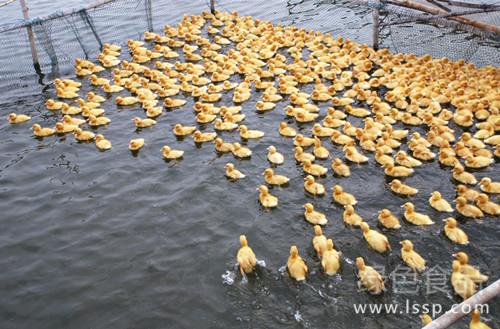
Ducklings
1. Brooding temperature: In the first few days, ducklings have poor ability to regulate their body temperature. For the first three days, the temperature standard is 33-35°C, then gradually lower it. In practice, you can judge whether the temperature is suitable from the ducklings' activity. If the flock is evenly distributed, lively and active, with a strong appetite and normal droppings, it indicates the temperature is normal; if the ducklings stay as close as possible to the heat source and huddle together, it indicates the temperature is low and you must raise it immediately; if they stay away from the heat source, open their mouths and pant, and drink large amounts of water, it indicates the temperature is too high.
2. First feeding and rearing: They should be given their first feed within 24 hours after hatching. In the first few days, ducklings have poor digestion, so you can crumble cooked chicken or duck egg yolk into the feed. After 3—5 days, you can feed complete compound feed for ducklings. Vitamins should be mixed and fed the same day. Use high-quality fish meal with an appropriate salt content, and never use spoiled ingredients, because ducklings are very sensitive to feed quality and are prone to drug poisoning, so do not administer drugs blindly, and do not feed chick feed. The feed should be mixed wet before feeding. Ensure drinking water is always available and feed is never lacking.
3. Pay attention to hygiene: The bedding for ducklings should use mold-free long wheat straw, rice straw, or dried green grass. Fine, spoiled bedding, once pecked and eaten by ducklings, will cause indigestion. The bedding must be changed every day and kept dry. Wet filth soaking the down will cause ducklings to get sick. It is best to use raised wire-floor brooding.
4. Lighting: For the first three days, use a 60-watt bulb for 21-24 hours of lighting. From the fourth day of age, gradually reduce light intensity and shorten lighting time. For spring ducklings, mainly use natural light, and use a dimmer lamp at night.
5. Drinking water: Water is needed for ducks' growth, and from hatching to culling, water must not be cut off for a single moment. Provide water first, then feed. Generally, clean water is sufficient, with a water temperature of about 20°C. Too low a water temperature affects the ducklings' body temperature; too high a water temperature makes ducklings want to get in. When raising in large groups, provide one drinker per 200 ducklings. Place the drinkers evenly, and put water-absorbing stove ash underneath to prevent wetting the bedding. In short, ducklings should be able to drink clean water at any time, but should not jump into the water, get their bodies wet, or spill water on the ground.
Confinement method: No large water surface is used for free-range raising, but they must be supplied with water for washing their heads. Generally, place a water basin 20 cm high and keep it full of water for a long time. The ducks wash their heads in the basin, keeping their nostrils from drying out and also washing off fine feed and mud stuck to their heads. Dry, cracked nostrils make them prone to illness. If the feathers on the head and around the eyes are rubbed off, they cannot maintain head temperature. When ducklings eat, they cannot secrete saliva, and after eating feed they need to drink a mouthful of water to help swallow, so the water basin should not be too far from the feed.