How to prevent and treat calf ascariasis? Be on alert if it refuses milk, prefers lying down, and worm bodies appear in the feces
Why do newborn calves get ascariasis? Mainly during grazing or housed feeding, the aquatic plants eaten by the cow carry infective Ascaris eggs, which infect the fetus vertically through the placenta, so the calf has ascariasis from birth, called calf neonatal ascariasis. It mainly parasitizes calves aged 1-3 months and is characterized by severe diarrhea, emaciation and anemia. In heavy infections, if not treated promptly, it can lead to cattle death, with a high incidence rate and great losses. Effective prevention and treatment should be carried out.
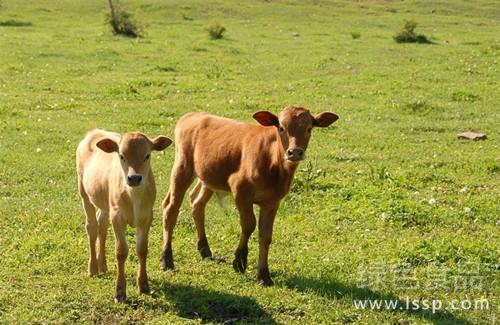
Calf
I. Clinical symptoms:
The calf is listless, lethargic, has poor appetite, is unable to suckle or suckles weakly, is inactive, and when forced to move, stands unsteadily or cannot stand, and prefers to lie down. Most sick cattle pass grayish-white pasty feces with mucus. Calves with many parasitic Ascaris often pass bloody diarrhea with pus and blood or blood streaks. The feces have a foul, stinking odor, with an oily substance floating on the surface; when rubbed by hand, it feels slippery and greasy. The cattle have abdominal pain, and the feces sometimes contain worm bodies. However, a few sick cattle show no diarrhea, only listlessness, refusal to suckle, distended abdomen, rough and stiff back hair, pale visible mucous membranes, and sour-smelling breath. When a large number of worms are parasitized, it can cause intestinal obstruction or intestinal perforation. In the late stage of the disease, the sick cattle mostly have weak limbs, emaciation, muscle flaccidity, cold lower limbs and mouth and nose, lie down and cannot rise, severe anemia, difficulty breathing, coughing and wheezing, and die from severe exhaustion.
II. Diagnosis:
Calf neonatal ascariasis presents with diarrhea and is easily mistaken for calf diarrhea, often treated as diarrhea, but treatment with antidiarrheals and anti-inflammatory drugs is ineffective, which can be used for differential therapeutic diagnosis. Then use the water flotation method to test cattle feces, and the eggs can be detected to confirm the diagnosis.
III. Prevention and treatment:
Calf neonatal ascariasis is preventable and treatable. If prevented early, infection can be avoided. If detected early and treated early, the curative effect is also very good. The effective methods are:
1. Prevention:
(1) Isolate calves for rearing: Because the eggs of adult worms parasitizing the small intestine of calves can be excreted with feces and develop into infective eggs in the outside environment, calves should be kept in separate pens and reared in isolation. The feces of calves and contaminated bedding, etc. must all be collected for composting and fermentation for harmless treatment to kill the eggs, thus cutting off the route by which pregnant cows eat them. Calves must never be raised or released loose, so as to avoid infecting pregnant cows.
(2) Do a good job of hygiene for pregnant cows: The feces in the pens of pregnant cows should be removed promptly, keeping the pens warm, dry, hygienic, not damp, and well ventilated, and the bedding changed frequently, to prevent pregnant cows from eating grass and water contaminated by worm eggs. Do not feed forage on the ground, and do not let them drink dirty water contaminated by worm eggs. Raising the feed troughs and providing clean drinking water can effectively prevent ascariasis. Never keep cow and calf in the same pen for eating and living, otherwise it will increase the chance of infection for the cow, which must not be neglected.
2. Treatment:
(1) Tetramisole hydrochloride: Tetramisole hydrochloride, also called tetramisole and levamisole, is a broad-spectrum, highly effective, low-toxicity deworming drug and is a specific drug for treating calf ascariasis. Administer 12-15 mg per kg body weight by oral drench once. Generally, 2 days after medication, the Ascaris worms are expelled. Levamisole hydrochloride tablets can also be used, 300 mg per cow, orally once, also with good results. Ivermectin tablets, which are highly effective, low-toxicity and broad-spectrum, can also be used for deworming, administered at 1 tablet/10 kg of cattle body weight (each tablet 50 mg). If combined with levamisole, the effect is better. Use one deworming drug first, and after an interval of 2 weeks, use another deworming drug to improve the curative effect.
(2) If the calf has continuous diarrhea, oral rehydration can be given: dissolve 3.5 g salt, 2.5 g baking soda powder, 1.5 g potassium chloride, and 20 g white sugar in 1 l of water for free drinking. If diarrheal medication, silicon carbon silver, combined with charcoal powder or scorched sorghum are added, the antidiarrheal effect is stronger.
(3) For cattle that are seriously ill and extremely emaciated, sugar supplementation can be given: mix 500 ml of 5% glucose, 50 ml of hydrocortisone, 200,000 units of gentamicin, 20 ml of 10% calcium gluconate, 100 ml of vitamin C injection, and 250 ml of vitamin B2 injection, then give by intravenous drip once.
(4) If the sick cattle are found to have abdominal pain, 10 ml of 5% analgin injection plus 1 million units of penicillin can be injected intramuscularly. For calves without diarrhea, generally one deworming treatment can cure them.