Infertility in female rabbits hinders rabbit farming, a full analysis of symptomatic treatments
The problem of female rabbit infertility has always been an important issue affecting the development of the rabbit farming industry. Based on years of clinical practice and social surveys by rabbit farmers, the causes of female rabbit infertility and prevention and control measures have been summarized.
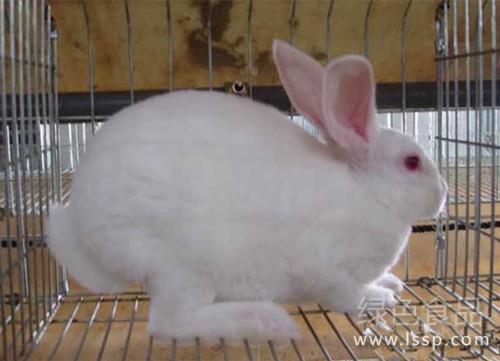
Female rabbit
I. Causes of female rabbit infertility:
1. Nutritional infertility: A lack of various nutrients in the rabbit's body, especially protein and sugar, leads to malnutrition in the rabbit, obstruction of energy and metabolism, and functional and other changes in the reproductive system, resulting in rabbit infertility.
2. Vitamin A deficiency: When vitamin A is insufficient, it affects protein synthesis, causing obstruction of mineral and other metabolic processes, stunted growth and development, atrophy of endocrine glands, insufficient hormone secretion, degeneration of uterine mucosal epithelium, follicular atresia or cyst formation, so that the female rabbit cannot come into estrus or ovulate.
3. Vitamin B1 deficiency: When vitamin B1 is lacking, it can weaken uterine contraction function, disrupt egg cell formation and ovulation, and cause long-term absence of estrus, resulting in infertility.
4. Vitamin E deficiency: When vitamin E is insufficient, it can cause interruption of pregnancy, stillbirth, weak fetuses or silent miscarriage (disappearance of embryos). Long-term deficiency causes degeneration of the ovaries and uterine mucosa in female rabbits, resulting in permanent infertility.
5. Deficiency of minerals such as calcium and phosphorus: When minerals such as calcium and phosphorus are insufficient, it can cause regenerative disorders in the function of various organs, among which reproductive dysfunction appears earlier. Therefore, calcium and phosphorus are indispensable nutrients for ensuring the health, growth and reproduction of female rabbits.
6. Infertility caused by overweight: Long-term excessive feeding of protein, fat and carbohydrate feed, combined with reduced exercise, causes female rabbits to become overweight, with fat deposition in the ovaries and degeneration of follicular epithelium, leading to absence of estrus and infertility.
7. Reproductive organ diseases: Vaginal atresia, uterine hypoplasia, absence of uterine horns or cervix, such as ovarian insufficiency, oophoritis, salpingitis, endometritis, pyometra, vaginitis, etc.
8. Male rabbit causes: Testicular hypoplasia, delayed sperm production, abnormal sperm, reduced sperm count and semen volume, poor sperm motility, lack of libido, difficulty in mating, etc., can all cause female rabbit infertility.
II. Prevention and treatment measures for female rabbit infertility:
1. Prevention and treatment of vitamin A deficiency: Vitamin A is mainly found in animal liver. Carotene in plants can be converted into vitamin A in the animal body. Supply more green grass and high-quality hay, carrots, pumpkins, etc.; feed vitamin A for treatment, such as concentrated cod liver oil or vitamin A preparations, capsules containing 25,000 IU, usual dosage 1 capsule per rabbit per time.
2. Prevention and treatment of vitamin E deficiency: Generally, 0.32-1.4 mg of vitamin E per kg of body weight per day is needed. For female rabbits, 16.7 mg of vitamin E can be added per kg of feed; adding some vegetable oils to the feed, such as soybean oil, peanut oil, etc., can supplement vitamin E; subcutaneous or intramuscular injection of vitamin E 20-30 mg. When using vitamin E, it is best to use 0.2 mg of sodium selenite per kg of body weight in combination.
3. Treatment of vitamin B1 deficiency: Vitamin B1 deficiency is caused by a lack of thiamine in tissues. Thiamine is abundant in rice bran, fresh vegetables, wheat bran, legumes and yeast. Therefore, it should be properly included in the feed. For treatment, oral thiamine tablets, 2 tablets each time. Injection for intramuscular injection 2 ml per time per day. Riboflavin tablets, 2 tablets each time, taken orally twice a day.
4. Treatment of endometritis: Intramuscular injection of diethylstilbestrol 0.5-1 mg, or posterior pituitary hormone 5-10 IU; flush once daily with normal saline, 2-4 times per day.
5. Prevention and treatment of pyometra: To discharge uterine pus, first inject 0.2-0.5 mg of diethylstilbestrol, and after 3-5 days, inject 2-3 IU of posterior pituitary hormone, while simultaneously injecting antibiotics and carrying out appropriate fluid drainage.
6. Treatment of vaginitis: Flush the vagina and discharge the vaginal exudate as soon as possible. Normal saline, 0.1% potassium permanganate, or 0.02% nitrofurazone solution can be used for flushing; apply ointment, and after flushing, apply iodine glycerin, sulfonamide ointment, or penicillin ointment to the vaginal mucosa.
7. Maintain appropriate fatness of non-pregnant female rabbits: Non-pregnant female rabbits should maintain 70-80% body condition; both overweight and underweight will affect estrus and mating. Female rabbits kept without sunlight for a long time should be moved to cages with ample light to promote metabolism. For female rabbits that have not been in estrus for a long time, the male rabbit induction method and artificial estrus induction method can be used.