At which stages are ewes unfit for breeding? Key management points for each stage
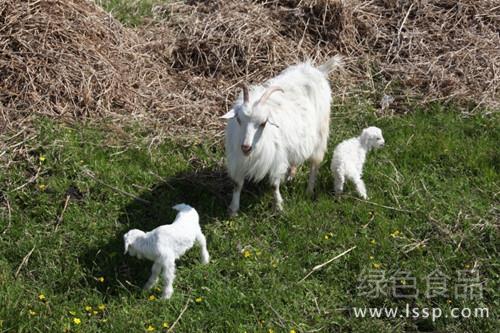
Ewes
1. Non-pregnant period: The feeding and management of ewes during the non-pregnant period is relatively extensive, and their daily ration supply usually only needs to be slightly higher than the level required for routine maintenance; generally, only a small amount of supplementary feeding is given, or no dry hay is supplemented. However, due to factors such as age, parity, number of lambs suckled and duration, ewe body condition varies greatly. In addition, replacement young ewes are still in the growth and development stage before estrus and mating, so they need more nutrients. Ewes with high milk yield or suckling twin lambs consume large amounts of nutrients during lactation, lose body condition quickly and become weak, so supplementary feeding must be strengthened to restore ewe fatness and body condition as quickly as possible.
2. Gestation period: The gestation period can be divided into early gestation and late gestation, about 5 months. Early gestation, that is, the first 3 months of gestation, is characterized by slow fetal weight gain, and the nutrients required are basically the same as during the non-pregnant period. In summer and autumn, ewes in early gestation are mainly managed by grazing, with a small amount of concentrate supplementation or none. In winter and spring, concentrate or green dry hay should be supplemented.
Late gestation, that is, the last 2 months of gestation, is when the fetus grows rapidly; 80%-90% of fetal weight gain during gestation is completed at this stage. Therefore, at this stage, ewes need to be provided with sufficient and complete-price feed. If ewes are undernourished at this stage, their body condition will be poor, which will affect fetal growth and development, leading to low lamb birth weight, sparse coat, imperfect physiological functions, poor thermoregulation, weak resistance, susceptibility to disease and low lamb survival rate. At this time, in addition to grazing, ewes need supplementary feeding with an appropriate amount of mixed concentrate and high-quality green dry hay. According to the ewes' grazing intake, 0.45 kg of concentrate, 1.0-1.5 kg of green dry hay, 1 kg of silage and 0.5 kg of carrots can be supplemented daily.
In the management of ewes during gestation, early gestation requires prevention of early abortion, and late gestation requires prevention of premature birth caused by accidental injury to ewes. The flock should be prevented from eating frozen feed and moldy feed, and should not drink icy water; prevent the flock from being frightened, do not chase or drive them urgently, and strictly prevent crowding when entering or leaving the pen; there should be sufficient hay racks, feed troughs and water troughs to prevent abortion caused by crowding during drinking and feeding. About 1 week before the expected lambing date, ewes can be placed in a lambing pen for management, with appropriate exercise.
3. Lactation period: In traditional sheep raising, the lactation period of lambs is 3-4 months, which can be divided into early lactation and late lactation. Early lactation, that is, the first 2 months of lactation, is when breast milk is the main source for lambs. If the amount of breast milk is large and sufficient, lambs will grow and develop quickly, have good body condition, strong disease resistance and a high survival rate; otherwise, it is unfavorable to lamb growth and development. Therefore, the feeding and management of ewes in early lactation must be strengthened to promote lactation. Early lactation for ewes occurs during the early spring withered-grass period, when grazing conditions are poor, and grazing alone cannot meet the ewes' lactation needs, so supplementary feeding of forage and feed is required. The amount of supplementary feeding should be determined according to ewe body condition and the number of suckling lambs. Ewes with a single lamb should be supplemented daily with 0.3-0.5 kg of concentrate, 1.0 kg of green dry hay and 1.5 kg of succulent feed. Ewes with twin lambs should be supplemented daily with 0.4-0.6 kg of concentrate, 1 kg of green dry hay and 1.5 kg of succulent feed.
About 1 month after lambing, ewe milk yield reaches its peak, then gradually declines after 2 months. At this time, lambs grow and develop intensively and gain weight quickly, and their demand for nutrients increases, so breast milk alone can no longer fully meet the nutritional needs of lambs. At the same time, the gastrointestinal function of lambs over 2 months old tends to mature, and their dependence on breast milk decreases, so they can use an appropriate amount of high-quality green grass and mixed concentrate, and ewe lactation also enters the late stage. For ewes in late lactation, grazing should be the main method and supplementary feeding should be secondary, gradually eliminating concentrate supplementation and replacing it with green dry hay. The level of supplementary feeding for ewes should be adjusted appropriately according to ewe body condition: supplement more for those in poor body condition, and supplement less or not at all for those in good body condition. After lambs are weaned, ewes can be regrouped according to body condition and managed separately, so as to improve the targeting and effectiveness of supplementary feeding.