Newly Stocked Piglets: High Stress and Frequent Diarrhea, Detailed Management Methods
Newly stocked piglets are affected by various stress factors such as transport stress, environmental changes and feed changes, which increase their mental and physiological pressure, leading to gastrointestinal dysfunction and endocrine disorders, with frequent outbreaks of diarrhea, edema disease and other diseases, ultimately resulting in poor development, slow weight gain and increased mortality.
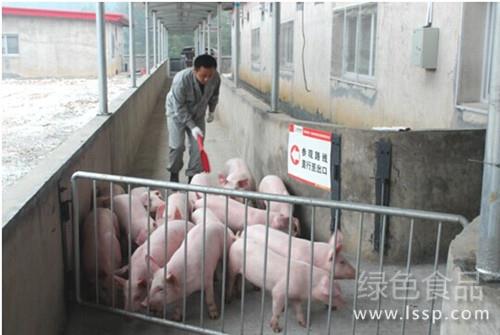
Newly stocked piglets
1. Preparatory work before bringing in the pigs: first, understand the background of the piglets to be purchased, whether there is an epidemic or a sub-healthy state, whether vaccination has been carried out, etc., to avoid purchasing pigs carrying disease. Second, during transport, attention should be paid to keeping out the cold and blocking the wind, and on long-distance transport, water or a small amount of feed should be given along the way. When weighing and catching pigs, handle them gently to avoid injuring them. Before the pigs are stocked, keep the empty pen house at 20°C-24°C so that the piglets can adapt to the new environment as quickly as possible after being stocked.
2. Grouping and density: grouping should follow the principle that piglets are similar in body weight, to avoid excessive differences that lead to the big bullying the small and the strong bullying the weak. The density should preferably be 1 pig per sq m, with 8-10 pigs per pen, avoiding excessive density and excessively large groups. Sufficient troughs and water troughs should be prepared, or free-access feeders and drinkers used.
3. Avoid stress reactions: Drinking water: after the pigs are stocked, first let them drink clean warm water at 15°C-20°C, with anti-stress drugs compounded from electrolytic multivitamins, vitamin C and glucose powder added to the water. Feeding: for newly stocked pigs, feed little but often and make a gradual transition; at first feed 5-6 times a day, and after 7 days feed 4 times a day at fixed times, choosing high-grade piglet feed that is nutritionally complete and highly digestible, which can minimize the stress caused by feed changes and promote the normal development of the piglets' digestive organs and immune organs. Environment: create a warm, dry, clean and comfortable environment for the pigs, adjust the temperature inside the house, keep the pens clean and hygienic, do a good job of ventilation, ensure fresh air inside the house, improve the air quality of the pig house and reduce the ammonia concentration.
4. Carefully observe the dynamics of the pig herd: newly stocked pigs should be trained in the “three fixations”, training the piglets well in the habits of eating, lying down to sleep and defecating and urinating, and doing a good job of the piglets' fixation, which will bring good results for future management. The piglets' spirits, feed intake and health status should be observed at all times, and any abnormality should be dealt with promptly.
5. Do a good job of vaccination: after 5-7 days of transitional feeding, the stress state of the stocked piglets is relieved, and various vaccinations are needed, including swine fever, swine erysipelas, swine pasteurellosis and piglet paratyphoid, etc. If it is known at the time of purchase that the other party has already vaccinated against the 4 diseases, it is recommended to give 1 more dose of swine fever vaccine. In addition, depending on the situation, immunization items such as foot-and-mouth disease vaccine and piglet edema disease vaccine may be added, so as to do a good job of pig disease prevention and control.