Key points of feeding and management of fattening pigs, related to the slaughter rate and breeding benefits
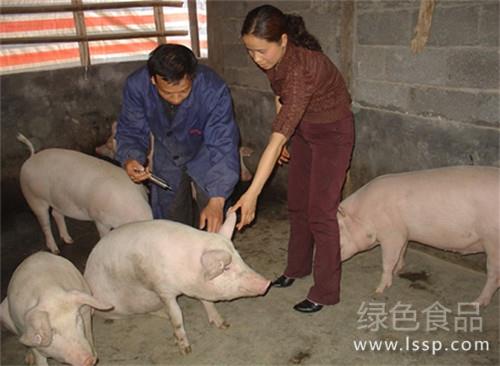
Immunization of fattening pigs
I. Feeding and management of fattening pigs:
1. Physiological characteristics of fattening piglets: poor cold resistance. After leaving the mother, young pigs are sensitive to temperature; if kept in a low-temperature environment for a long time, it will not only affect the growth of young pigs but also cause a variety of diseases. During the fattening stage, the feed intake of young pigs increases, and they may scramble for food or overeat; if feeding and management are proper at this time, the young pigs grow rapidly and gain weight quickly. After weaning, because they lose the protection of maternal antibodies and their own immune system is not yet fully developed, the young pigs are susceptible to infectious diseases such as infectious gastroenteritis, swine fever, and atrophic rhinitis.
2. Preparation before transferring fattening piglets to the pen: before fattening pigs are transferred into the pig house, thoroughly clean the pig house first, leave it empty for about 1 week, and then reasonably group them into pens for raising according to the pigs' source, breed, habits, and so on. After grouping, the number should be kept as stable as possible, and fattening pigs that are sick, have too large a weight difference, or are weak in constitution should be adjusted promptly.
3. Preparation after fattening piglets are put into the pen: to ensure that fattening pigs are marketed together and to improve the utilization rate of the pig house, reasonable grouping should begin at the time of transfer, with continuous observation to reduce fighting among young pigs, and young pigs that are weak and prone to illness should be given special care. Each fattening pig occupies about 1 sq m, adjusted reasonably according to the actual size of the pig house, and also appropriately adjusted according to seasonal changes, with thinner stocking in summer, generally about 10 pigs per group. Train them to have fixed places for defecation, drinking water, and sleeping. The raiser adjusts the growth environment of fattening pigs according to seasonal changes. In summer, attention should be paid to ventilation and cooling; in winter, attention should be paid to cold protection and warmth, while maintaining ventilation to remove harmful gases and create a good growing environment.
II. Four-season feeding and management of fattening pigs:
1. Spring Festival management: carry out regular hygiene and disinfection, and lime and plant ash can be used for disinfection. First sweep the pig pen clean, sprinkle the prepared disinfectant solution into the pig pen, wall corners, and wall cracks, and clean up manure in time to keep the pig pen dry. Give preventive injections well; various diseases occur frequently during the Spring Festival, so epidemic prevention work must be done well.
2. Summer management: cooling and heatstroke prevention. Cooling is the core of summer feeding and management. A sunshade net can be added on top of the pig house, and cool water can be sprayed on the walls or the pigs' bodies to achieve a cooling effect; never spray directly on the pigs' heads. In summer, choose more fresh, juicy feed rich in vitamins. Clean the pig pen in time. Maintaining pig house hygiene and disinfecting and sterilizing the pig house in time can reduce the disease rate of fattening pigs and ensure their growth and development.
3. Autumn management: in autumn, reserve sufficient feed for fattening pigs, with fine and reasonable mixing to meet the nutritional needs of fattening pigs. Autumn is the best fattening period for pigs; at this time fattening pigs grow quickly and eat a large amount, so the feeding method should adopt the wet feeding method with raw feed, feeding at fixed times every day.
4. Winter management: to prevent infectious diseases, carry out immunization injections and deworming treatment for fattening pigs before the beginning of winter. Deworm once each in spring and autumn every year, with 2 treatment courses each time. The pig pen should be repaired to prevent wind and cold. Appropriately increasing the number of fattening pigs can raise the temperature of the fattening pig house, which is beneficial to the growth of fattening pigs.