Beware of swine transmissible gastroenteritis in spring, watch out for vomiting, severe diarrhea and dehydration
Swine transmissible gastroenteritis, caused by a virus, occurs mostly in winter and spring. Pigs of all ages can be infected; piglets within 10 days of age have a high mortality rate, while adult pigs rarely die. Transmissible gastroenteritis not only affects the normal growth of pigs but also causes feed waste, making it a major enemy of pig farming.
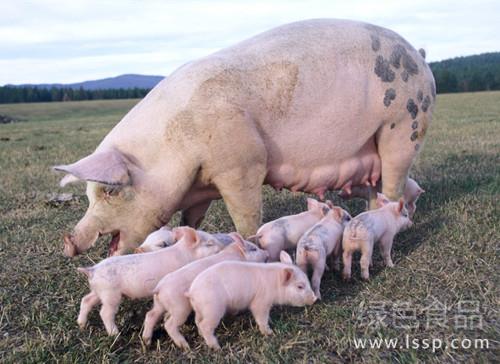
Pig
1. Symptoms: sick pigs vomit, have severe diarrhea and become dehydrated; the disease spreads rapidly, reaching the whole herd within a few days. Symptoms in piglets: sudden vomiting, followed by acute watery diarrhea, with excrement that is yellow, green or white. Adult pigs have a raised body temperature, extreme thirst, vomiting, no eating for several days, severe diarrhea (diarrhea comes out in a spray), gray or brown excrement, and rapid weight loss. If there are no complications, sick pigs generally recover on their own in about 10 days.
2. Prevention: do not introduce pigs from epidemic areas, and place introduced pigs under isolation observation and quarantine. Do a good job of pig rearing management: disinfect the pigsty regularly, keep it clean and hygienic, protect against cold and keep it warm, do not allow unrelated personnel to enter the pigsty, feed nutritionally rich feed, and supply clean drinking water. Doing this work well can reduce the occurrence of swine transmissible gastroenteritis.
3. Treatment: there is no specific drug for treating this disease; antibiotics or sulfonamide drugs can only prevent secondary infection in sick pigs and shorten the course of the disease. For severely ill pigs, atropine sulfate can be injected to control diarrhea; for pigs that have lost too much water, glucose, normal saline and so on can be injected intravenously.
Intramuscular injection of gentamicin, twice a day, with a 3-day course of treatment; large, medium and small pigs are injected with 8 milliliters, 6 milliliters and 4 milliliters respectively, which can shorten the course of the disease.
Feeding sick pigs fresh rice straw ash mixed into the feed also works very well; generally the sick pigs can recover within 3 days, greatly shortening the course of the disease. Method: first let the sick pigs go hungry for one day (supplying only clean drinking water), then mix fresh rice straw ash into the feed and let the pigs eat it; the amount per pig is 40—50 grams for large pigs, 30—40 grams for medium pigs, and 20—30 grams for small pigs.
Add 1—2% edible vinegar to the pigs' drinking water and let them drink it freely; this can shorten the course of the disease in sick pigs and has a preventive effect on healthy pigs.