Prevention and Treatment of Rabbit Ringworm with Hair Loss, Inflammation, and Crusting Hyperplasia
Rabbit ringworm is a common skin disease with strong contagiousness, mainly infecting newborn and young rabbits. If not prevented and treated promptly, sick rabbits will become emaciated and die. Malnutrition, poor rabbit hutch hygiene, poor lighting and ventilation, and high-humidity environments all easily trigger rabbit ringworm, and it can also be transmitted through direct or indirect contact, such as manual handling, air movement, etc. When nursing newborn rabbits, infection can also be caused.
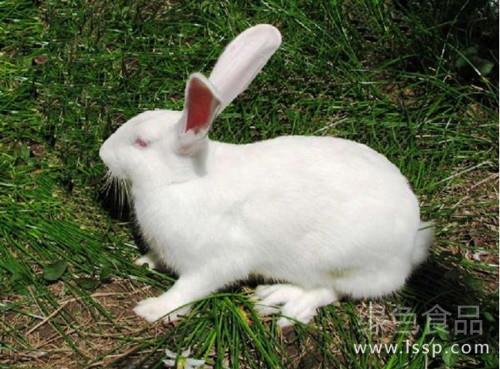
rabbit
1. Symptoms: This disease mostly starts from the head or near the head of rabbits, and gradually spreads to the limbs and the whole body. In affected nursing rabbits, the skin around the lips and eyes thickens, becomes inflamed, and crusting hyperplasia occurs; after hair loss, it looks as if they are wearing glasses. In some rabbits, the body coat is of uneven length, appearing wave-like. In partial hair loss, the skin surface is smooth, and crusts gradually appear, resembling bran or gypsum powder. In some rabbits, the hair on the affected parts breaks off and falls out, forming circular or irregular hairless areas, whose surface is covered with grayish-white scales, and inflammatory lesions occur.
2. Prevention:
1. Safe introduction of breeding stock: Do not buy breeding rabbits from rabbit farms in epidemic areas. Newly purchased breeding rabbits are best isolated for one month before being mixed into the herd for rearing. Three days before the rabbits are introduced, the rabbit hutch should be fumigated and disinfected with formalin.
2. Strengthen feeding management: Strengthening feeding management can effectively prevent rabbit ringworm. Add ivermectin to the feed, usually pay attention to keeping the pens dry, clean, and ventilated, keep the rabbit bodies clean, regularly disinfect rabbit cages and utensils with 2% sodium carbonate solution, and use a 1:2000 dilution of Baidusha for spray disinfection with the rabbits present.
3. Pay attention to observation and conduct regular quarantine: Observe the rabbit farm situation every day. If sick rabbits are found, they should be isolated promptly, and the whole herd should be checked; thoroughly disinfect the rabbit hutch, and use 3% quicklime or 3% sodium hydroxide to disinfect rabbit cages, utensils, floors, walls, ceilings, etc.
3. Treatment: After the hair on the affected areas of sick rabbits is pulled out or cut clean, wash with soapy water, warm alkaline water, or sulfide solution. After removing the crusts, apply clotrimazole ringworm lotion or clotrimazole ointment, 3 to 4 times daily; or spray and apply 2% trichlorfon aqueous solution, once a week, for several consecutive uses; 10% iodine tincture or 10% salicylic acid alcohol may also be applied until recovery. In severe cases, orally administer oxytetracycline at 25 mg per kilogram of rabbit body weight daily for 10 consecutive days; at the same time, inject each rabbit subcutaneously with 1 ml of “Pixuanning”, and inject once more after 1 week. During treatment, the hair cut from sick rabbits should be burned immediately.