How to manage meat pigeons in the rainy season when high humidity easily breeds bacteria
The rainy season in the south is long and humidity is high, which easily breeds bacteria and causes problems in meat pigeon farming. Therefore, a series of measures must be taken in production to protect the normal growth of meat pigeons and help them get through the rainy season safely.
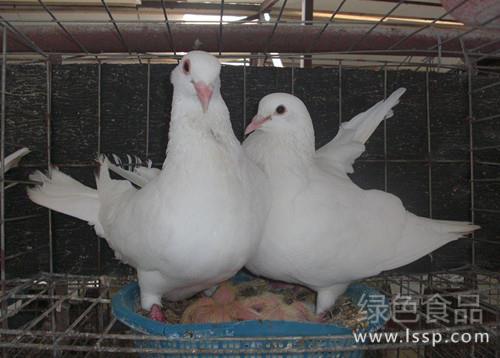
Meat pigeons
Moisture prevention: Continuous rainy days in the rainy season easily cause long-term dampness. The litter in the pigeon house easily becomes wet and moldy, inducing aspergillosis in meat pigeons. Therefore, on rainy days, pigeon manure should be cleaned promptly, the litter changed frequently, and the pigeon house kept dry. Meat pigeons like dryness and fear dampness, so moisture prevention should be taken seriously. Spread a layer of lime on the floor of the pigeon house and put a layer of clean sand in the exercise yard. Often open the doors and windows of the pigeon house for ventilation and air exchange to reduce indoor humidity. Once the pigeon house leaks rain, repair it promptly.
Cleaning and disinfection: In the rainy season, spray disinfection is generally not suitable, because spray disinfection increases the humidity in the pigeon house. You can spread plant ash or quicklime on the ground, then add clean litter. Sweep the pen twice a day, do a thorough cleaning once a week, and use 5% Lysol or 10%-20% lime milk for thorough disinfection once a month. Keep the inside and outside of the pigeon house, feed, drinking water, feed troughs, drinkers, and tools clean and hygienic. Adhere to the epidemic prevention system, carefully observe the pigeon flock every day, and when sick pigeons are found, isolate and diagnose and treat them promptly.
Ventilation and air exchange: In rainy weather, use exhaust fans to promptly discharge saturated water vapor from the pigeon house, keep the air fresh, and strengthen ventilation. Otherwise, the pigeon house easily breeds bacteria or mold, and the pigeons easily become sick.
Control the drinking water intake of the meat pigeon flock: feed intake, environmental temperature, body size of the meat pigeons, activity level, egg production, and so on all affect drinking water intake. The suitable indoor humidity should be 40%-80%. In the rainy season, because the humidity in the pigeon house is too high, it easily inhibits water metabolism in the body. If drinking water intake is too large, it easily causes enteritis and continuously increases the humidity in the pigeon house. If humidity is too high, it will make the feathers of meat pigeons dirty. Especially at high temperatures, it blocks evaporative heat dissipation of meat pigeons, causing heat accumulation in the body and producing heatstroke. At low temperatures, the heat capacity and thermal conductivity of water vapor in the air increase, and meat pigeons lose too much heat, easily catch cold, and may even suffer frostbite.
Key prevention and treatment of enteritis, meat pigeon coccidiosis, and aspergillosis:
(1) Add an appropriate amount of multivitamins to the feed to enhance the disease resistance of meat pigeons. (2) Traditional Chinese medicine is generally used to treat enteritis caused by excessive humidity. (3) Often add anticoccidial drugs to the feed, and choose the safe, economical, and effective diclazuril for prevention (Xinqiubao), 100 ml/150 L water. (4) Add 0.04% copper sulfate to the water, which can prevent and treat mold disease. At the same time, prevent the feed from becoming damp and moldy. When feeding, pay attention to promptly removing moldy feed.