How should breeding does be raised? Body condition management is key
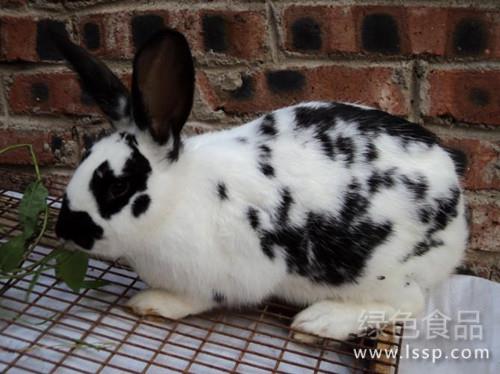
Does
Non-pregnant period: The period from weaning the kits to re-mating is called the rest period, also known as the non-pregnant period. During this period, the main task of feeding and managing the doe is to restore her strength, compensate for the large nutrient consumption during lactation, and make full preparations for accepting a new mating and breeding cycle. However, the doe must not be raised too fat. Once fat is deposited in the ovaries, it will inevitably hinder the development of egg cells, affect the doe's normal reproduction, and cause infertility. Conversely, if the doe is too thin, it will also affect the normal secretion of the pituitary gland that controls egg cell growth, leading to infertility in the doe. It can thus be seen that controlling the body condition of non-pregnant does is very important. When a breeding doe is too fat or too thin, the nutritional level must be adjusted in a timely manner, or the rest period appropriately shortened or lengthened.
Pregnancy period: The feeding and management of the doe during pregnancy have a significant effect on fetal growth and development, the number of kits born, the birth weight of the kits, and the doe's milk yield after kindling. The key points during this period are to provide complete nutrition, strengthen care, and prevent miscarriage. After the doe becomes pregnant, embryonic development can be divided into 3 stages, namely the embryonic stage (days 1-12 of pregnancy), the pre-fetal stage (days 13-18 of pregnancy), and the fetal stage (days 19-30 of pregnancy). According to measurements, body protein during fetal development increases as fetal age increases, and energy metabolism gradually strengthens accordingly. For this reason, the nutritional requirements of a pregnant doe are equivalent to 1.5 times the usual amount. Young does in particular are still continuing to grow and develop themselves, so they need even more sufficient nutrition, especially protein, minerals, and vitamins. When feeding pregnant does, they should also be fed according to their body condition. If the doe is in good body condition, it is not necessarily necessary to increase the amount of concentrated feed a few days before kindling; in some cases, the feed should even be appropriately reduced to prevent the doe from producing too much milk after kindling and developing mastitis. If the pregnant doe is in poor body condition, the feed must not be reduced before kindling; instead, the amount of concentrated feed should be appropriately increased.
During this period, miscarriage in the doe must be strictly prevented. Does are prone to miscarriage from 15-25 days of pregnancy, so the doe must be kept in a quiet state, protected from fright, cold, and drafts, and strict precautions must be taken against does biting and fighting each other and bucks chasing does. Drinking contaminated water must be strictly prevented. Does more than 15 days pregnant should be kept in individual cages, and illness during pregnancy should be avoided as much as possible.
Do a good job of the preparations before the doe kindles: A doe pulling fur from her chest and abdomen before kindling is a normal physiological phenomenon. Fur pulling can stimulate mammary gland development; the more fur she pulls, the better her lactation performance. For rabbits that do not pull fur before kindling, a manual method should be used to pull the abdominal fur down and place it in the nest to line it. At the same time, prepare clean drinking water and easily digestible food for the doe.
Lactation period: The period from kindling to weaning of the kits is the lactation period. The main purpose during this period is to ensure the doe's health and allow the kits to grow normally. Keepers must promptly understand the doe's milk yield. Generally, an adult doe secretes 60-150 grams of milk per day, with a maximum of 300 grams. Starting on the 5th day after kindling, increase the amount of concentrated feed and the number of feedings for the doe according to her lactation status. Throughout the lactation period, the kindling box must always be kept clean. Feed boxes, drinking water, and other utensils must be sanitized and disinfected at all times, and attention must be paid to ventilation to prevent stale air in the barn, while also keeping the doe quiet.
If the doe has excessive lactation or dry milk, symptomatic treatment should be given promptly. When there is too much milk, reduce concentrated feed and green, juicy feed, and increase feeding of hay and lightly salted water. If milk accumulation occurs in the mammary glands, cold compresses can be applied. For does with insufficient milk, appropriately increase the feeding amount of lysine-containing feeds such as soybean cake and fish meal, or feed more green, juicy feed.