Water management measures essential for high milk yield in dairy cows
Dairy cows need more water during lactation than when dry. For example, a cow producing 30 kg of milk per day needs a daily water supply of 90—110 liters. The daily water requirements of young heifers and calves also differ. For a 1-month-old calf, most of its water comes from maternal milk; calves aged 1—3 months need about 10 liters of water per day, calves aged 3—6 months need about 15 liters, and young heifers need an average of about 30 liters of water per day.
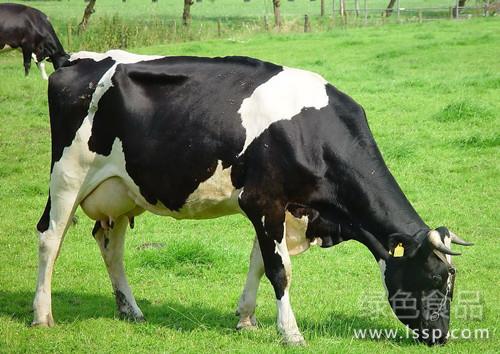
Dairy cow
Ensure adequate drinking water: where conditions permit, install automatic waterers in the barn so the cows can drink at any time. Water can also be supplied on a fixed schedule, generally 3—4 times a day, and 5—6 times a day in summer. Troughs should be set up in the exercise yard to ensure fresh, clean drinking water.
Ensure drinking water hygiene: the water source must not be polluted. The water source of a dairy farm should be kept away from pesticide plants, chemical plants, slaughterhouses, etc., to prevent contamination of the water source. Tap water is best; if well water or river water is used, it must be settled and disinfected. Drinking utensils should be kept clean and hygienic, rinsed every day and disinfected regularly, especially in summer, to prevent microorganisms from contaminating the water source, and attention should be paid to the hygiene of the troughs in the exercise yard.
Ensure drinking water temperature: in winter and spring, giving dairy cows water at 8.5°C instead of 1.5°C increases milk yield by 8.7%; at an air temperature of 2°C~6°C, giving dairy cows water at 10°C~15°C instead of cold water increases milk yield by 9.0%. Therefore, in winter and spring, never give dairy cows ice-cold or overly cold water.
However, water that is too warm is also harmful to dairy cows. Giving cows warm water at 20°C for a long time in winter weakens their constitution, shown by reduced gastrointestinal digestive function and greater susceptibility to colds. Therefore, the suitable water temperature is 12°C~14°C for adult dairy cows, 15°C~16°C for pregnant cows, and 35°C~38°C for calves within 1 month of age.
In summer, dairy cows should be given cool water, or heat-stress-relieving agents such as baking soda and vitamin C can be added to the drinking water; increase the number of waterers to ensure adequate drinking water, and increase the frequency and duration of drinking; alternatively, on hot days, give dairy cows cool mung bean soup to ease heat stress and increase milk yield.
In spring, autumn and winter, dairy cows drink 2—3 times, and high-yielding dairy cows should have their drinking frequency appropriately increased. For every 1 kg of dry matter fed, an adult dairy cow needs 3.0—3.5 liters of drinking water. Installing automatic waterers in the barn can increase water consumption by 18% and milk yield by 3.5% compared with drinking twice a day outside the barn. With automatic waterers, cows drink 10 times a day, 2/3 during the day and 1/3 at night (from 17:00 to 3:00). Therefore, to meet the drinking water needs of dairy cows, most dairy farms install automatic waterers in the barn.
The moisture content of the total mixed ration can be adjusted to 55%~57% to increase the water intake of dairy cows while preventing them from being picky eaters; in winter, part of the concentrate can also be mixed with boiling water into a thin porridge for the cows to drink, which can significantly increase milk yield.
The induced drinking method is advocated, usually using wheat bran, cornmeal, soybean cake meal, etc. Compared with the control group, the induced drinking group increased milk yield by 12.65%, and in summer and autumn it could increase it by 16.80%.
Avoid electrified water sources. Electrified water affects the drinking of dairy cows, so the conductivity of the water should be measured and adjusted.
Since 87% of milk composition is water, milk yield depends to a large extent on water intake; sometimes, even if the diet is fine, water alone can cause milk yield to drop by 18%~20%. Water is one of the important nutrients often overlooked in dairy cow feeding. In dairy production, great attention must be paid to the role of water, and the drinking situation of dairy cows should be observed and analyzed so that adjustments can be made in time.