Piglets have poor appetite, diarrhea, and stunted growth: how to prevent weaning syndrome?
At weaning, piglets are separated from the sow, and their feed changes from an all-milk diet to dry feed. However, during this period the piglets are in a stage of intense growth and development, yet their digestive function and disease resistance are weak. The drastic change in diet, together with environmental changes, causes strong stress in piglets, making them prone to weaning syndrome. Piglets infected with weaning syndrome show poor appetite, digestive dysfunction, diarrhea, stunted growth, and so on; some piglets thus become stunted pigs.
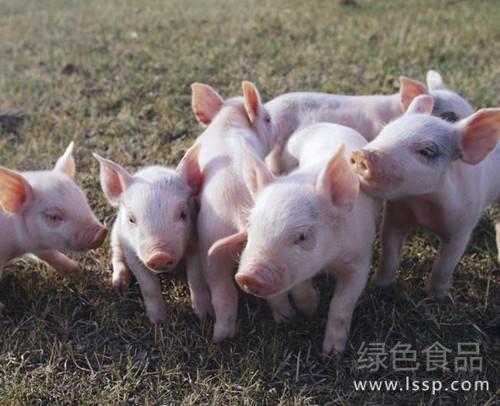
Piglets
Formulating a diet suited to the digestive physiology of piglets is an effective way to overcome early weaning syndrome. But environmental factors also have a great influence on the degree of stress of piglet weaning. Creating a suitable micro-environment can alleviate the weaning stress of piglets. At present, intensive pig farms in China generally wean piglets at 3-4 weeks of age. Weaning is a major turning point in the piglet's life.
First, environmental conditions must be kept stable. At weaning, remove the sow and leave the piglets in the original pen, so that they live in a familiar environment. After weaning, factors such as the caregiver and the feed should remain relatively stable. Only after the weaned piglets' spirits, appetite, and feces are all normal should the feed and feeding system be gradually changed, and mixing and regrouping of pens be carried out.
Second, do a good job of cold protection and heat preservation. Piglets have poor adaptability to low temperatures; if weaning occurs in the low-temperature season, it will aggravate cold stress in piglets, so at this time cold protection and heat preservation measures must be especially well done. Piglets should be raised in enclosed pig houses. The suitable temperature for piglets from 15-30 days of age is 22-25°C; at weaning, the ambient temperature can be appropriately raised to 25-30°C, and at the same time (litter straw) or gunny bags, etc., should be spread on the floor of the pig house. For heat preservation, electric heating plates, infrared bulbs, ordinary bulbs, etc., can be used according to actual conditions. At the same time, wind holes must be plugged, drafts prevented, and the indoors kept dry. An ambient temperature below the piglets' optimum temperature will lead to diarrhea, fever, bronchitis, pneumonia, etc., and easily induce other infectious diseases.
Third, pay attention to piglet diarrhea. Within one week after weaning, piglets are prone to diarrhea; especially early-weaned piglets, whose diarrhea is more severe. At this time, the bedding should be changed frequently, cleaning should be done often, and the pig house should also be disinfected regularly. But at the same time, care should be taken to keep the pig house dry, as a damp environment extremely easily aggravates piglet diarrhea. Train piglets to defecate at a fixed spot. If piglets defecate all over the pig house, it will make the pig house damp and contaminated, and easily spread diseases, which is not conducive to piglet growth. Therefore, piglets must be trained to defecate at a fixed spot. This work must be done at weaning, otherwise the piglets will be even harder to train. When cleaning the pig house, some feces can be left at the fixed spot, or the place can be sprinkled with water to make it wet, and the piglets will gradually develop the habit of defecating at a fixed spot.
Finally, weather changes. When the weather changes abruptly, especially when the humidity and airflow outside the house increase, the air humidity and airflow inside the house also increase. If it is low-temperature and high-humidity weather, it will produce adverse stimulation in piglets. The piglets' thermoregulatory function is not fully developed; before 20 days of age, piglets lack gastric acid in their gastric juice, have poor resistance to pathogenic microorganisms, and are prone to digestive tract diseases. At this time, special attention should be paid to sealing the pig house, strengthening heat preservation, and ensuring that enough feed is consumed. If weaned piglets are purchased from other farms, the stress is even more severe, and they must be cared for even more carefully.