Prevention and Control Measures for Metabolic Diseases Caused by Vitamin Deficiency in Ducks
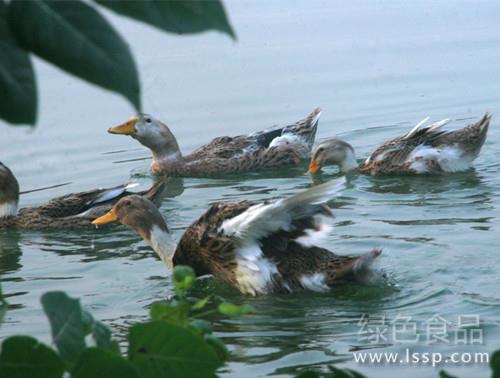
Ducks
Vitamin A deficiency:It is a nutritional and metabolic disease of ducks caused by insufficient supply or impaired digestion and absorption of vitamin A in the diet.
Symptoms: When laying ducks are fed a diet with a low vitamin A content, and their offspring are also fed a diet lacking vitamin A, the ducklings will show vitamin A deficiency at around 1 week of age. It manifests as stunted growth, emaciation, ruffled feathers, nasal discharge, tearing, and the eyelid feathers become stuck together, dry, and shed, forming dry eye rims. It may also be due to eyelid adhesion or swelling containing caseous exudate, or the exudate pressing on the eyeball, causing the eyeball to become sunken, and the cornea to become cloudy, softened, or perforated, leading to blindness. In cases of severe deficiency, neurological symptoms such as ataxia may occur. In adult laying ducks, the laying rate decreases, the egg hatchability declines, the rate of weak ducklings increases, the resistance of the mucous membranes of the digestive and respiratory tracts decreases, making them susceptible to other infectious diseases, resulting in death losses. In male ducks, sexual function declines, semen quality is poor, affecting the fertilization rate.
Prevention and control: Pay attention to supplementing vitamin A in the diet. Vitamin preparations should not be stored for too long, to avoid losing potency. In summer, if too much feed is mixed after adding vitamins and left piled up for too long and heats up, vitamin A is easily destroyed. Therefore, to prevent this disease, attention must be paid to all possible causes of vitamin A deficiency. When vitamin A deficiency occurs in a duck flock, 2 to 4 times the normal requirement of vitamin A preparation should be fed. Cod liver oil can also be added to the feed at 2 to 4 milliliters per kilogram of feed, fed continuously for several days to be effective.
Vitamin B2 deficiency:Vitamin B2 is riboflavin. This disease is a metabolic disease caused by a lack or insufficient supply of riboflavin in the diet.
Symptoms: When ducklings lack riboflavin, diarrhea often occurs, with slow growth, weakness and emaciation, reluctance to move; when forced to move, they flap their wings and walk on their hock joints. The toes on both sides curl inward (curled toes), and they support the body with the hock joints or lie on their side with legs extended. When laying ducks lack riboflavin, egg production decreases, embryo mortality increases, and the rate of weak ducklings is high.
Prevention: To prevent this disease, a complete pellet feed should be fed; for self-mixed feed, high-quality additives or premixes can be used. In the early stage of the disease, an appropriate amount of riboflavin can be supplemented in the diet, and recovery usually occurs within a short period. If the toes have been curled for a long time, feeding riboflavin cannot cure it.
Vitamin E deficiency:Also known as “duckling white muscle disease”, it is a nutritional and metabolic disease caused by selenium deficiency or vitamin E deficiency. This disease occurs mainly in certain selenium-deficient or low-selenium areas. It may also occur because grain, especially corn, purchased from these areas is used as feed, and in addition, insufficient amounts of selenium or vitamin E are not supplemented in the feed, leading to the occurrence of this disease.
Symptoms: At the beginning of the disease, the ducks are listless, have reduced appetite, reduced feed intake, gradually become emaciated, feathers stand erect, the legs and beak become pale, nasal discharge, food tossing, diarrhea, swelling of the head and neck, and reluctance to move. As the disease progresses, the legs become paralyzed and weak, the ducks prefer to lie down or cannot stand, sway when walking, the head and neck sway left and right or roll backward, fall to the ground and lie on their side, and die from convulsions.
Prevention and control: Pay attention to the source of feed grain. Generally, selenium and vitamin E should be supplemented in the feed. If this disease appears in a duck flock, selenium and vitamin E should be supplemented promptly; adding 2.5 milligrams of selenium and 250 units of vitamin E per kilogram of diet or water has a clear preventive and control effect.