How to Prevent and Treat Pica in Pigs: What to Do When They Have Abnormal Taste and Crave Foreign Objects
Pica in pigs is a stress syndrome caused by many factors, including improper feeding management, unsuitable environment, imbalanced supply of feed nutrition, disease, and metabolic disorders, such as tail biting in pigs. It is mostly seen in sows in early pregnancy or the early postpartum period and in medium and small pigs weighing 24-40 kg.
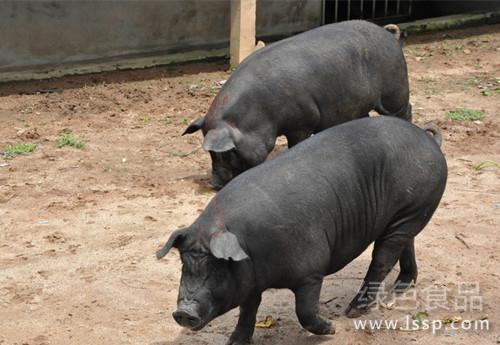
Pig
When pigs suffer from pica, they often show clinical symptoms of diseases such as gastrointestinal disease, osteomalacia, chronic indigestion, and parasitic disease. In the early stage, they show reduced appetite, indigestion, abnormal taste, and pica symptoms. Affected young pigs like to lick or gnaw walls, troughs, soil, sand and stones, feces and urine, or salty foreign objects, bite each other's tails and ears, and often attack one another; first constipation and then diarrhea, or alternating constipation and diarrhea, appear, growth is delayed or stops, they gradually become emaciated, and the coat is loose, messy, and dull. Anemia. If not treated in time, it will affect pig growth and form runts; in severe cases, secondary infection can occur, causing osteomyelitis and abscesses, and if not handled in time, it can be complicated by septicemia and other conditions, leading to exhaustion and death. In addition to the above signs, affected sows may abort if pregnant; postpartum sows show reduced milk production. Abnormal habits such as eating the afterbirth or eating piglets may appear.
Because pica has very distinct clinical features, its diagnosis is not difficult, but clarifying the specific cause is often relatively difficult. A comprehensive analysis must be made based on possible disease-causing factors, history, and clinical symptoms. The common main causes of this disease are as follows: first, improper feeding management, such as excessive stocking density in the pig house, high humidity, limited trough space, restricted feeding and insufficient drinking water, and great differences in size and strength among pigs in the same pen; second, poor environmental conditions, such as too high or too low temperature in the house, poor ventilation with high ammonia content, too strong lighting in the pen, a monotonous living environment, fright, mixing of groups, and abnormal weather changes; third, induction by multiple disease factors, such as chronic gastrointestinal disease, chondrosis, rickets in piglets, postpartum paralysis in sows, and parasitic diseases (such as external parasites including lice and mange mites, and Ascaris suum), and abnormal internal hormone secretion; fourth, imbalanced or deficient nutrient supply, where the nutritional level of the feed cannot meet the nutritional needs of pig growth and development, deficiency of certain amino acids (such as methionine or tryptophan) and protein, deficiency or imbalance of minerals and vitamins, such as copper, cobalt, iron, manganese, potassium, sodium, magnesium, calcium, phosphorus, and vitamin B in the diet, an imbalanced calcium-to-phosphorus ratio in the feed, and lack of salt; fifth, the pig's own nature (playfulness, imitation) or abnormal habits.
Pica in pigs should be prevented and treated together, with prevention as the main approach and symptomatic treatment. During the feeding process, management should be strengthened, pens should be reasonably arranged and controlled, the pig house should be kept clean, appropriate ventilation and lighting should be controlled, and human-induced stress such as driving and feed changes should be avoided as much as possible. The stocking density should be appropriate, larger in winter and smaller in summer. Generally, the suitable raising area is O.8-1 sq m per finishing pig, 0.6-O.7 sq m per medium pig, and O.3-O.5 sq m per piglet. Feed formulation should strive for balanced nutrition to meet their nutritional needs. Feeding should be timed and quantitative, drinking water should be clean, and trough and water trough facilities should be sufficient to avoid fighting over food and uneven eating and drinking. In addition, toys can be placed in the pig pen, such as woven bags, chains, balls, old tires, and green feed, to distract the pigs. Pigs with abnormal habits should be promptly selected and raised separately. Piglets should have their tails docked in time and their milk teeth removed.
The treatment of pica in pigs should be based on identifying the cause, improving feeding management in a targeted way, changing the feed structure as appropriate, supplementing vitamins and trace elements, ensuring an appropriate calcium-to-phosphorus ratio, and regularly deworming. Common measures include oral or intramuscular injection of vitamin B12, or adding veterinary multivitamins to the feed, with the dosage depending on product specifications and the severity of the condition; or injection of phosphorus and calcium preparations; or adding 0.5%-O.8% salt to the feed, but the added amount should not exceed 1% to prevent salt poisoning. Sick pigs should be isolated immediately to prevent other pigs from imitating them. For bitten pigs, the wounds should be promptly cleaned with potassium permanganate solution and coated with iodine tincture to prevent wound infection, and in severe cases antibiotic treatment should be added. For sows that eat afterbirth and fetuses, in addition to strengthening care, flavoring and digestive agents can also be added to the feed, such as salt, garlic, white sugar, chopped dried tangerine peel, and some flavoring agents sold on the market, to improve pica in pigs; a folk remedy can also be used, boiling 100-300 grams of river shrimp or small fish into soup for drinking, once a day for several consecutive days. For pigs with chronic gastrointestinal disease, treatment is mainly based on the principles of inhibiting bacteria and reducing inflammation and removing harmful substances in the intestines, combined with fluid supplementation and cardiac support measures. For pigs with parasitic diseases, levamisole or trichlorfon and other deworming drugs should be used in time.
In summary, the causes of pica in pigs are often multifaceted, and its prevention and treatment methods must be targeted. As long as farmers do a good job in feeding management and prevention and treatment, the losses caused can be reduced to a minimum.