How to Prevent the Formation of Runts and Improve Pig Uniformity and Evenness
In pig farming, every litter contains one or two runts, commonly known as "little old pigs." Runts have rough, lusterless coats and grow and develop slowly, which seriously affects piglet uniformity and evenness, and in turn affects the finishing rate and profitability of the herd.
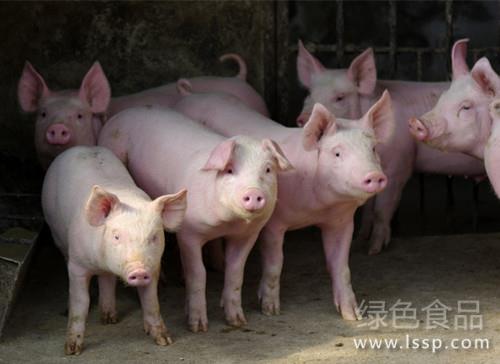
Pigs
I. Causes of runts:
1. Poor feeding and management of pregnant sows, with nutritional deficiencies, hinder fetal development, causing congenital deficiencies and forming prenatal runts.
2. Improper feeding and management of lactating sows, with sows lacking milk or having no milk, affects piglet growth and causes prenatal runts.
3. Piglets suffering from repeated or multiple illnesses affects their normal growth and development, forming "disease-induced runts."
4. Piglets starting to eat late, poor supplemental feeding, and low-quality piglet feed cause slow growth and development, resulting in runts.
5. Piglets born from inbreeding and indiscriminate mating have weak growth capacity and poor development, and are prone to becoming runts.
II. Measures to prevent the formation of runts:
1. Feeding and management during the sow's gestation and lactation periods must be strengthened, ensuring the supply of protein, vitamins, minerals and other nutrients and energy, so that piglets can develop well during the embryonic stage. After birth, they can get sufficient milk, ensuring rapid growth and good development during the suckling period.
2. Do a good job of raising and caring for piglets, create suitable temperature conditions, start feeding early, provide supplemental feed at the right time, and ensure the quality of piglet feed to meet the nutritional needs of piglet growth and development.
3. Do a good job of hygiene and disinfection in piglet pens, keeping the pens dry and clean with fresh air.
4. Promptly deworm piglets against internal and external parasites, which can effectively prevent slow growth and development caused by parasites. For piglets infected with diseases, detect and treat early, promptly adopt corresponding effective measures, try to avoid repeated infections, and shorten the course of the disease.
5. Avoid inbreeding and sneaky mating of sows to ensure the quality of their offspring.