Egg-laying hens with panic disorder show nervous excitement, struggling, wing flapping and screaming. How to prevent and treat it?
Caged laying hens, especially light breeds, have a tendency toward nervousness. These hens have highly excitable nerves. When stimulated by a certain factor, the flock suddenly becomes panicked, the flock becomes restless, and the hens struggle desperately in the cages and flap their wings, with screams rising and falling one after another. As a result, some laying hens break their wings, some suffer internal bleeding, some lay premature shell-less eggs, and some die. The result of flock panic is often a drop in egg production.
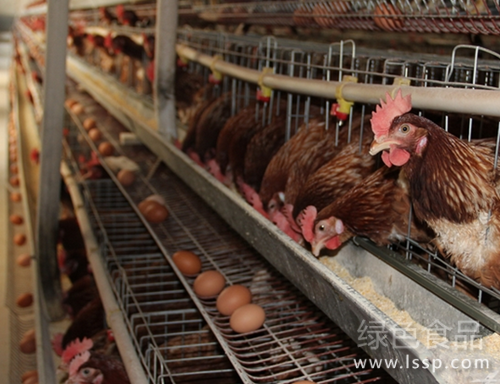
Laying hens
Nervousness mostly appears in laying hens at 36 to 37 weeks of age, or during the peak laying period. It is less common in laying hens raised on wire floors and on the ground. Causes of nervousness include sudden noise, flickering light, water and feed deprivation, excessive density, the keeper wearing unfamiliar clothing, birds flying past, airplanes flying over, and excessive magnesium content in the feed.
Laying hens with panic disorder are very nervous and prone to intermittent “flock explosions.” The hens stretch their heads and necks high, open their eyes wide, and are highly tense. At the slightest disturbance, they scream and fly about in panic, affecting the whole henhouse, and sometimes flock panic occurs even without an obvious triggering factor. In addition to death and injury, the hens' egg production also declines, soft-shelled eggs appear, and the rate of broken eggs increases markedly. For example: caged laying hens were at the peak period, with an egg production rate of 88%. One day after 3 a.m., a “flock explosion” suddenly occurred. The flock screamed incessantly and jumped and darted about wildly. The owner turned on the lights and provided water and feed to try to calm the hens, but it was to no avail. The commotion continued until after 8 a.m. before calming down. As a result, 10 laying hens broke legs or wings, 2 died from ruptured internal organs, and 3 died from uterine prolapse. The flock's egg production rate dropped to 32%, and only after 3 weeks did the egg production rate rise back to 80%. In another chicken farm, laying hens that had died from neck strangulation or broken necks were always found in the cages in the morning. Was it human sabotage or an infectious disease? Later investigation showed that the cause was that several female keepers often wore brightly colored clothes and changed them every day. Seeing this, the flock became terrified and flew and crashed about wildly. In their desperate rush to escape, they stretched out their heads, and when they could not escape, they violently pulled them back, and so died from neck strangulation or broken necks. The above two examples show that under caged conditions, nervousness in the flock can bring severe losses to a chicken farm. Therefore, maintaining a quiet environment, avoiding abnormal sounds, sudden flashes of light, and the appearance of strangers or bright clothing among the flock, and preventing rats, cats and birds from entering the henhouse to harass the hens are all worth attention for reducing the losses caused by flock panic.
Brown-shell laying hens are gentle in temperament and generally show little nervousness. For flocks that often experience panic, adding 200 grams of niacin per ton of feed can alleviate the occurrence of flock panic.