What to Do About Calcium Deficiency in Laying Hens? Prevention and Treatment Methods for Reduced Egg Production, Thinner and Easily Broken Eggshells
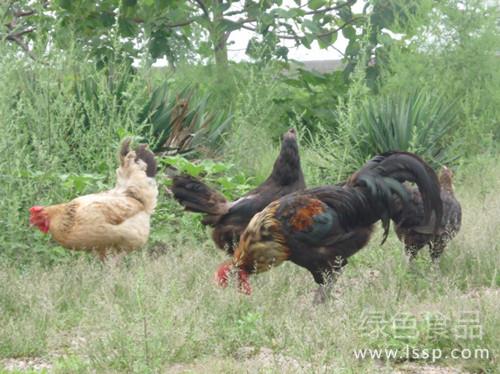
Laying Hens
The total amount of calcium in the body of a laying hen is about 20 g to 23 g, and each egg laid excretes 2.2 g to 2.3 g of calcium, so every day 10% of the calcium in a laying hen's body needs to be replaced. When a laying hen is calcium deficient, egg production decreases, eggshells become thinner and break easily, and in severe cases soft-shelled eggs and shell-less eggs are laid, while the bones become brittle and fracture easily.
About 25% of the calcium needed for eggshell formation comes from the medullary bone and 75% from the feed. The calcium absorption rate in feed is 50% to 60%, and generally about 4.4 g to 4.6 g of calcium is needed per egg laid. To increase the hen's egg production and reduce the egg breakage rate, feed determines eggshell quality and strength. In the half month before the hen begins laying, calcium deposition in the bones strengthens, so from 4 months of age or at a 5% laying rate, a high-calcium compound feed should be provided. The optimal calcium content in the diet of laying hens is 3.2% to 3.5%; at high temperatures or when the laying rate reaches 75% to 80%, the calcium content can be increased to 3.6% to 3.8%, and a short-term increase to 4% can make the eggshell thicker, but the calcium content must not be raised further, otherwise it is detrimental to egg production. If the feed contains insufficient calcium, it will prompt the hen to eat more feed, consuming excess feed and increasing costs, while the hen's body weight increases and fat deposition in the liver and elsewhere increases, affecting egg production. If the calcium content in the feed reaches a supersaturated state, it will reduce the chicken's appetite, form calcium salt deposits in the body in the kidneys, hinder the excretion of uric acid, and in severe cases cause gout, and if not treated in time, the chickens will die one after another. There is a certain correlation between calcium and the metabolizable energy in the diet: when the dietary metabolizable energy is high (12970 kJ/kg), the calcium content is also high (4.1% to 4.6%); if the metabolizable energy is low (11506 kJ/kg), the calcium level is also low (3.2% to 3.7%).
The best time to supplement calcium for hens is from 12:00 to 20:00. When hens are allowed to eat calcium freely, they can self-regulate their calcium intake; for example, during eggshell formation their calcium intake is 92% of normal, while outside eggshell formation their calcium intake is only 68%. Hens that are lighter in weight and eat less feed should be given somewhat more calcium.
Chickens absorb animal-source calcium best and plant-source calcium worst. Heat-sterilized eggshells are the best calcium source. When the calcium source in the diet is 2/3 oyster shell and 1/3 limestone, eggshell strength is best. For B-4 crossbred chickens, when the broken-shell rate reached 3.5% at 61 weeks, adding 2% of the total feed amount as granular oyster shell powder in the afternoon markedly reduced the broken-egg rate and made the eggshells smooth; by 72 weeks of age the average broken-egg rate was only 1.59%, a good result.
The following conditions easily affect calcium absorption in laying hens: 1. When the calcium content of the feed is insufficient and the birds cannot freely forage for grit, calcium deficiency disease will occur; 2. Vitamin D has an important effect on laying hens; it promotes calcium absorption, maintains the balance of calcium and phosphorus and their deposition in the bones; 3. The ratio of calcium to phosphorus in the feed greatly affects calcium absorption; too much phosphorus will affect calcium absorption, and when the calcium-to-phosphorus ratio is maintained at 2:1 to 1.5:1, absorption of both is most favorable. The content ratio of calcium, phosphorus and vitamin D3 affects eggshell strength, with 3.0% to 3.5% calcium and 0.45% phosphorus being optimal, while the standard for vitamin D3 is best set at 10% to 12% of the vitamin A standard. Calcium determines the brittleness of the eggshell, and phosphorus determines the elasticity of the eggshell; 4. Too much fatty acid and oxalic acid in the feed will combine with calcium to form insoluble calcium salts, affecting calcium absorption; 5. Chronic diarrhea will reduce calcium absorption; 6. Long-term confined rearing with a lack of light, together with a relatively small amount of calcium in the supplementary concentrate, can also lead to calcium deficiency.
The key to treating calcium deficiency in laying hens is to strengthen feeding management, adjust the proportion of nutritional components in the feed, and pay attention to adding fish meal, bone meal, oyster shell powder, eggshell powder or stone powder, etc., to ensure an appropriate calcium content. Laying hens should have oyster shell powder increased to 2% starting from about 18 weeks of age; after 20 weeks of age they enter the laying period, and the bone meal content in the feed should reach 1.5% and oyster shell powder 5.5%; after 38 weeks of age and in hot weather, the oyster shell powder content can be increased to 6.5%; for laying hens raised off the ground, when the laying rate reaches 80%, the calcium content in the diet should reach 3.5%; when the laying rate is less than 80% or greater than 65%, the calcium content is 3.4%; when the laying rate is less than 65%, the calcium content is 3.2%. In addition, an appropriate amount of multivitamins can be added to the feed, and if necessary a suitable amount of cod liver oil can also be added; the chickens can also be appropriately given more sunlight or irradiated with ultraviolet lamps to increase the source of vitamin D. Any factor that increases intestinal acidity favors the dissolution of calcium salts and promotes calcium absorption. A special reminder: when preventing calcium deficiency and supplementing calcium, excess calcium should be avoided.