White spots on the cornea and infertility in a doe: how to prevent and treat vitamin A deficiency
Vitamin A is one of the important vitamins for ensuring healthy reproduction in farmed animals. If a doe lacks vitamin A, not only is she herself affected, but the health of her offspring is also harmed, reducing the quality of the offspring. Symptoms of vitamin A deficiency in does:
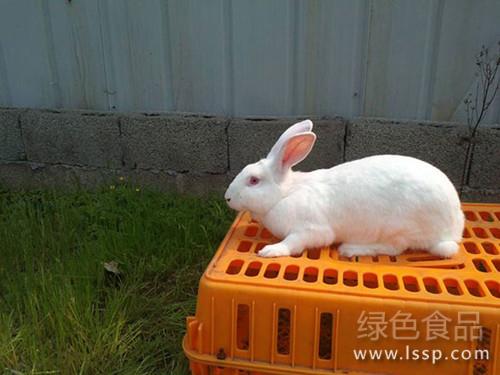
Doe
1. Blurred white spots or white bands appear on the cornea, generally in the middle of the cornea or slightly off-center; the cornea is cloudy, rough and dry, with dry crusts or purulent discharge accumulating around the eyes, and pigmentation at the edge of the bulbar conjunctiva. If vitamin A is still not supplemented at this point, the condition will worsen further, with complete keratitis, iridocyclitis and hypopyon in the anterior chamber, leading to permanent blindness. Examination of the fundus with a magnifying microscope reveals white spots on the retina.
2. The doe is infertile or unable to reproduce; even if she can conceive, there will be early fetal death or resorption, easy miscarriage, and a tendency to give birth to stillborn or malformed young.
3. Young rabbits are prone to hydrocephalus, which is caused by elevated cerebrospinal fluid pressure resulting from vitamin A deficiency in the doe. Even if hydrocephalus does not occur, the young rabbits still grow slowly and lose weight; in the later stage, spontaneous movement decreases and they may even be unwilling to move, with neurological symptoms similar to parasitic otitis media, such as circling, turning the head to one side, swaying from side to side, retraction of the head, paralysis of the limbs, and sometimes convulsions. In severe cases, they fall over backward and lose the ability to control themselves.
II. Prevention and treatment measures:
1. Prevention: Start from the source, mainly by supplying the doe with sufficient vitamin A or carrots to ensure her own health, normal estrus, timely conception, normal fetal development and the production of strong offspring. The feed supplied should be rich in carotene; feeding high-quality forage grass, yellow corn, carrots, mature pumpkin, yellow-fleshed sweet potato and similar feeds is the simplest, most reliable and most effective way to prevent vitamin A deficiency, because carotene or carotenoid-like substances (such as cryptoxanthin, fucoxanthin, etc.) can be converted into vitamin A in the doe's body through the action of carotene enzymes.
2. Drug treatment: (1) Oral vitamin A capsules, each containing 25,000 IU of vitamin A; each doe is given 600-3000 IU orally, once a day for 7 consecutive days as one course of treatment. After stopping for 7 days, give it again for 7 days until the doe's body condition is normal and healthy. (2) Oral cod liver oil, 1-2 ml each time; if mixed into feed, it can be added at 0.2 ml per kg. (3) Intramuscular injection of vitamin A, using 1 ml containing 50,000 IU of vitamin A and 5000 IU of vitamin D, combined or mixed for intramuscular injection. The single dose for each doe or vitamin A-deficient rabbit is 0.25 ml, injected once every other day for 7 consecutive days.