Management of laying breeder hens in the late laying period cannot be neglected
The laying period of breeder hens is divided into three stages: the peak laying period, the mid laying period and the late laying period. Breeders often pay attention to feeding and management during the peak and mid periods while neglecting management in the late laying period. To give full play to the production performance of breeder hens and improve returns, the traditional management concept must be corrected, management in the late laying period must be strengthened, and the laying cycle must be prevented from ending early.
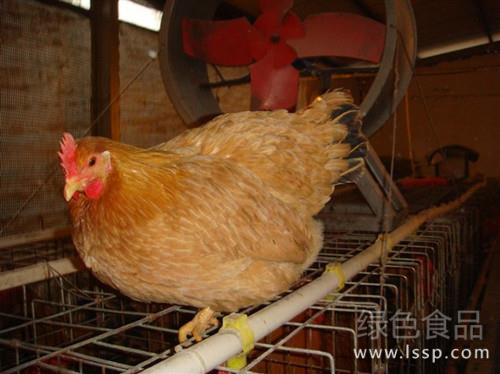
Laying breeder hens
1. Appropriately restrict feeding and reduce consumption:
The key to management in the late laying period lies in restricting feeding, preventing the hens from becoming too fat, which would affect the expression of laying performance, and ensuring continued laying in the late period. The principle of restricted feeding: carry out tentative feed reduction in combination with the laying curve. The method is: reduce the daily feed consumption per bird by 2.5 g, observe for 5-7 days, and see whether the decline in laying rate is normal (normally a decline of 0.5%-1% per week). If normal, reduce by another 1-2 g; if there are still no abnormalities, reduce by another 3 g. This neither affects laying nor reduces feed consumption, and it reduces molting and prevents the hens from becoming too fat. If the laying rate drops quickly, the feeding amount must be restored immediately to avoid reducing production performance. Practice has proved that feed reduction is generally appropriate 4-6 weeks after the peak laying period, when the laying rate has dropped 4%-6% from the peak.
2. Adjust feed nutrition by season:
The dietary nutrition of laying hens in the late period should change with the seasons. When summer temperatures are high, energy feed should be appropriately reduced, protein feed increased, and vitamin C and sodium bicarbonate supplemented at the same time; when winter temperatures are below 10 degrees C, energy feed should be appropriately increased to raise the metabolizable energy level of the feed.
3. Appropriately supplement calcium and vitamin D3 in the feed:
After the peak laying period, as the laying rate declines, energy and protein levels can be appropriately lowered, but as egg weight increases, the hens' calcium requirement increases. It is recommended to add shell powder or coarse limestone to the feed at 3-4 pm each day, which can strengthen eggshell formation at night and effectively improve eggshell quality. Adding vitamin D3 can promote calcium absorption, and at the same time it is also necessary to avoid a decline in laying caused by too low feed intake; for example, adding too much shell powder reduces the palatability of the diet and lowers feed intake.
4. Stimulate feed intake:
According to the data, to maintain a vigorous appetite in the flock, a certain empty trough time can be left for the flock in breeder hen raising. On the one hand, this prevents feed from being stored in the trough for a long time, and on the other hand it can prevent the hens from developing anorexia and feed-selecting habits. At the same time, according to the "dynamic feeding" phenomenon of the flock, during each feeding, feed and spread at the same time so that the feed is evenly distributed in the trough. About 30 and a half minutes after feeding, the feed should be spread once, because the hens eat very quickly in the first 10 minutes or so after feeding and afterward will select and peck at the feed. Therefore, the feed should be spread, and checks should be made frequently; where uneven feed is seen, the feed should be spread promptly. The practice of "leaving an empty trough to stimulate feed intake" can be implemented in the late laying period, and it is not recommended during the peak laying period.
5. Weigh regularly:
Managers often pay attention to weighing during the brooding and rearing stages and even the peak stage, while neglecting weighing of the flock in the late laying period. This concept must be corrected. Weight changes at this stage have great guiding significance for reducing daily consumption, reducing deaths and culling, and maintaining a steady decline in laying. In the late laying period, weighing the flock does not necessarily need to be done weekly; it can be done every half month or every month. Based on the numerical changes, combined with the laying curve, comprehensively consider adjustments to the relevant nutrients in the diet.
6. Combine disease prevention with environmental control:
In the late laying period, because the chicken house has been used for a long time, manure is relatively concentrated, the concentration of harmful gases produced is high, air quality is poor, and various bacteria and viruses breed, which can easily cause bacterial or viral diseases in the flock. In the late laying period, breeder hens may develop infectious diseases because the interval since immunization is too long and antibody levels have declined, or parasitic diseases in breeder hens may occur because of poor management. Therefore, at this stage, environmental sanitation and disinfection with the chickens present should be done well for the breeder flock to enhance the flock's resistance to disease. At the same time, timely supplementary immunization must be carried out according to changes in antibody levels to ensure that the body's antibody levels are uniform and effective.
7. Timely cull low-yielding and poor-yielding hens:
After a period of intense laying, the flock in the late laying period cannot physiologically meet the expenditure for an average daily egg weight of about 52 g. While laying declines, sudden death syndrome and ascites syndrome are likely to occur, leading to increased deaths and culling. At this time, it is necessary to promptly adjust the uniformity of the flock and cull low-yielding hens with no raising value, so as to increase the laying rate and reduce costs.