Do a good job of feeding newborn lambs to ensure survival rate and health
The newborn period of lambs refers to the period within 10 days after birth. Strengthening the feeding of lambs during the newborn period is greatly beneficial for improving the lamb survival rate and promoting healthy growth and development in the future.
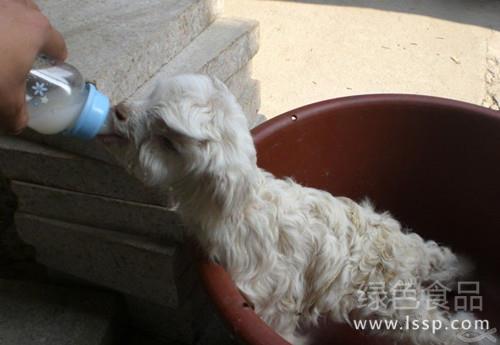
Artificial feeding of lambs
1. Cold protection and warmth: after a lamb is born, wipe away the mucus from the mouth and nose, and let the ewe lick the lamb all over. If the ewe does not lick it, sprinkle a little wheat bran or cornmeal on the lamb to encourage her. The temperature of the lambing room should be 8°C-10°C, and the temperature of the lamb shed should be above 8°C.
2. Suckling of lambs during the newborn period:
The main task during the lamb's newborn period is to get the lamb to drink enough colostrum as soon as possible. Colostrum is rich in nutrients, easy to digest, and contains more antibodies. Colostrum also has a laxative effect and can speed up the passage of meconium in lambs. Lambs that drink enough colostrum are full of energy, lively and lovely, and rarely get sick. Feeding lambs during the newborn period is divided into two methods:
One is the free suckling method: healthy and well-developed lambs can stand up and suckle 20-30 minutes after birth. Following the ewe and nursing whenever milk is available is called free suckling. Free suckling is relatively easy and requires no manual control. However, because lambs do not suckle at fixed times, it is impossible to properly monitor the ewe's milk yield, and because lambs are accustomed to following the ewe and suckling for a long time, separating them from the ewe later becomes more troublesome.
The second is the artificial feeding method: milking the ewe's milk into a bottle or basin and feeding it to the lambs at fixed times, in fixed amounts, and at a fixed temperature is called artificial feeding. Although this method is troublesome, it has many advantages, and it should especially be adopted by households that sell fresh milk. Artificial feeding is divided into bottle feeding and basin feeding. No matter which one is used, the ewe and lambs should be raised separately after birth.
Bottle feeding method: after the goat milk is expressed, put it into a clean bottle, then place the rubber nipple into the lamb's mouth and let it suck. This method is easy to master.
Basin feeding method: for those raising more lambs, a small basin or flat-bottomed enamel bowl can be used. Express the milk into it and let the lambs drink. This feeding method is faster, and sometimes it can easily cause indigestion in lambs, so pay attention to the speed when feeding.
3. Precautions for artificial feeding:
First, prevent impatience. Lambs will not drink milk at first and need training so they gradually get used to it. Be patient and do not force the lamb to drink, otherwise the milk will be choked into the trachea, causing foreign body pneumonia and leading to the death of the lamb.
Second, feed at fixed times and in fixed amounts. The daily feeding time, feeding amount, and milk temperature should be relatively constant, and the lamb should not go hungry one meal and be overfed the next. The milk temperature should be kept at 38°C-42°C. If the milk temperature is too low, the lamb will have diarrhea after drinking it. It is best to feed immediately after milking. The feeding amount should be well controlled: the feeding amount of colostrum is about one fifth of the lamb's body weight per day, and the feeding amount can be gradually increased, from 0.6-0.7 kg on the first day to 0.8-1 kg on the sixth day, fed 4-5 times a day.
Third, pay attention to hygiene. Bottles, basins, rubber nipples, and so on used for feeding milk should be scrubbed clean after each use and used again after drying. At the same time, keep the sheep shed clean and hygienic and prevent dampness to ensure the robust growth of the lambs.
4. Foster nursing of lambs:
If the ewe has little milk or dies, the lamb can be foster-nursed to a nurse ewe. The nurse ewe should be one that has lost her lamb or has a particularly large milk yield and especially strong maternal instincts. Ewes recognize lambs by smell, so when foster-nursing, at night smear the nurse ewe's milk on the body of the fostered lamb, or smear the lamb's urine on the nose of the nurse ewe, so that the smells are confused and cannot be distinguished. Then place the lamb in the nurse ewe's pen. After 2-3 days like this, the foster nursing can succeed.