Early summer brings frequent rain and cloudy weather, making river crabs prone to diseases, so aquaculture management must not be neglected
Having just entered the Beginning of Summer season, temperatures are gradually rising and water temperatures are suitable. For river crab aquaculture, this marks the start of the golden growth period for river crabs. At this time, river crabs have increased appetite and strong activity, which is conducive to digestion and absorption and rapid growth. However, due to factors such as frequent rain and cloudy weather this year and large temperature fluctuations, bacteria and diseases are also easily triggered. For this reason, the 5 instructors of the Huagang Town fishery technology household program have recently frequently visited ponds to provide guidance, requiring demonstration households to recognize that current pond management is crucial and to mainly do the following:
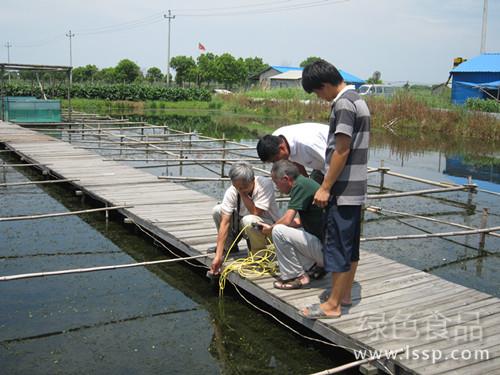
River crab aquaculture
1. Water quality regulation: Due to weather influences, temperature fluctuations are very large, water quality factors are extremely unstable, water quality is highly prone to deterioration, and toxic and harmful substances increase. To regulate water quality well, take advantage of sunny weather and, depending on whether the water is rich or lean, appropriately apply some organic fertilizer or biological fertilizer to reduce the growth of moss. At the same time, regularly use microbial preparations to improve water quality, improve the bottom substrate, maintain a stable and good ecological environment, achieve water quality that is fertile, lively, tender, and refreshing, and promote healthy growth of river crabs.
2. Rational feeding. At present, the water temperature is suitable, so the ratio of animal feed and pellet feed should be adjusted well. Observe frequently and flexibly manage according to weather conditions and the feeding situation of river crabs. Excessive feeding leads to feed waste and leftover feed deteriorating water quality. According to the actual feeding situation in the pond, supplement with live snails to ensure the nutritional needs of river crabs, let river crabs eat enough and eat well, and grow quickly.
3. Aquatic plant maintenance. Aquatic plants are plant-based feed for river crabs, and are also places for river crabs to inhabit, molt, and hide. They can also provide shade and lower temperature. The coverage rate of aquatic plants should be controlled at about 60%. For overly dense ponds, manually cut grass ditches to facilitate water flow and increase dissolved oxygen in the water. Promptly remove floating aquatic plants at the downwind outlet, keep the pond clean, prevent aquatic plants from rotting, and avoid deteriorating water quality.
4. Disease prevention and control: For diseases, prevention should be primary and treatment auxiliary, adopting the principle of combining prevention and treatment. Patrol the pond frequently and observe carefully. Regularly splash water disinfectants and biological preparations over the whole pond, and appropriately add allicin, detoxifying liver-protecting ling, etc. to the feed for feeding. Through external disinfection and internal administration, effectively prevent the occurrence of crab diseases. In early May, prevent and control ciliates once.
5. Scientific management: Patrol the pond in the morning and evening, observe the movement and feeding situation of river crabs, check whether the blocking net is damaged, and comprehensively inspect and debug the microporous aeration facilities to ensure normal operation during the high-temperature season.