JD.com food recall notice: What to do about aflatoxin exceeding limits in peanut butter
If I bought a counterfeit product from an online store, whether it's a phone or clothes, should I seek recourse from the manufacturer or the producer? Generally I seek compensation from the online store, and as for the online store's losses, whether they go after the manufacturer or not is none of my concern, because the online store is the one directly transacting with me and also profiting. Who do you think is at fault when something goes wrong?
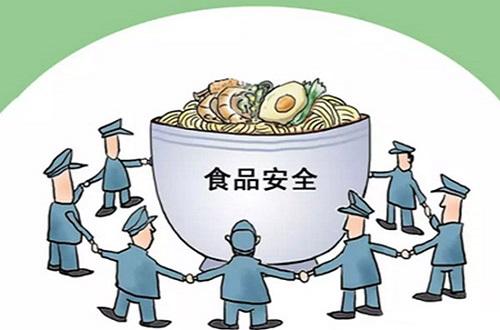
The State Administration for Market Regulation announced on the 22nd that 12 batches of food products failed inspection, involving JD.com Mall, Carrefour, Walmart, and Beijing Hualian and other supermarkets. Among the products, peanut butter and ham failed inspection. Among them, the peanut butter sold on JD.com Mall by JD China Specialty Products · Hebei Supply and Marketing Cooperative Hall had aflatoxin B1 that did not meet the national food safety standards. It is reported that aflatoxin B1 is the most carcinogenic among known chemical substances, and has strong toxicity to humans and several animals. O The State Administration for Market Regulation issued a notice of non-compliance for peanut butter and other foods sold on JD.com.
Netizens have said: They should also announce which quality supervision bureau approved the market sale! Who signed off on the food safety certificate, that's the key. Heavily fine the enterprise together with the director of the food supervision bureau, dismiss them, fire them! Only then can China's food safety be assured! I really want to curse - these food quality supervision bureaus are no different from unscrupulous enterprises.
⟦NL> It's clearly the peanut butter from Hebei Supply and Marketing Cooperative Hall that exceeded aflatoxin limits, yet they listed a bunch of supermarket names. Isn't the primary responsibility with this producer? The supermarkets are only secondarily responsible.
This is not a consumer rights issue about selling counterfeit and shoddy food, but a food safety issue. In many comments, so many people actually think that not criticizing the distributor is brainless? Distributors are not regulatory authorities - should they test every single product labeled as compliant themselves? So whose fault is it really?