Extend the peak laying period of chickens to increase egg production and improve returns
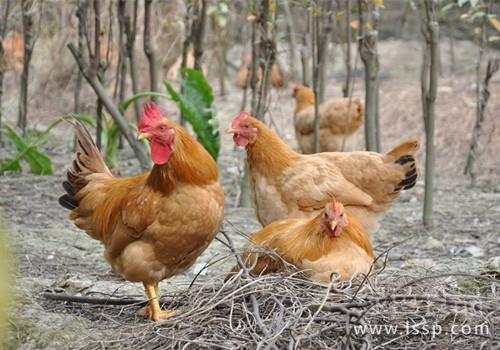
Chickens
1. Provide sufficient protein. Each egg a chicken lays requires about 12-15 grams of protein. When the laying rate reaches 90%, the chicken must be fed a diet containing 19% protein; when the laying rate reaches 70%, a diet containing 17% protein should be fed. Generally, for every 10% increase in the laying rate, the protein level in the diet should be increased by about 1%. In addition, when an increase in the laying rate is anticipated, a diet with a higher protein level should be fed 1 week in advance, and when the laying rate begins to decline, the protein level of the diet should also be lowered 1 week later than the decline.
2. Control energy. When the laying rate reaches 90%, the metabolizable energy per kg of feed should be controlled at 2700-2750 kcal; in this way, increasing feed protein can promote the rapid arrival of the peak laying period.
3. Supplement green feed. Green feed is rich in protein, vitamins, chlorophyll and many unknown nutritional factors. Properly adding some green feed can activate the reproductive function of chickens and increase egg production.
4. Supplement calcium. According to research, supplementing calcium to laying hens from 12:00 to 18:00 each day gives the best results. The calcium content in the diet of laying hens is generally above 3%. During the peak laying period (laying rate above 80%), the calcium content in the diet can be increased to 3.5%-4%; when the laying rate is 80%-65%, the calcium in the diet should be kept at 3%-3.25%. In addition to supplementing calcium in the feed, placing calcium troughs containing shell powder and bone meal in the coop or on the exercise yard for the chickens to eat freely also has good results.
5. Supplement light. Light has an obvious stimulating effect on gonadal activity. Artificial light supplementation generally starts from 21 weeks of age in laying hens; from 21-24 weeks of age, increase light by half an hour per week, and after 25 weeks of age, increase light by half an hour every 2 weeks, until the daily light duration reaches 16 hours. In the last 4 weeks of laying, increase light by another 1 hour per day until the end of the first laying year. The best time for light supplementation is from early morning each day until dawn.
6. Use additives wisely. Feeding baking soda can increase the laying rate and eggshell strength and reduce broken eggs; adding 0.15% choline chloride can maintain the laying rate above 79%.
7. Reduce stress. Laying hens are very sensitive to environmental changes, especially light-breed laying hens, which are particularly nervous. Any change in environmental conditions can cause a stress response and make the peak laying period drop sharply. Therefore, during the critical period when the flock reaches peak laying, all effective measures should be taken to reduce stress and keep the flock at high and stable production.
8. Ensure flock health. Hens in the peak laying period have their reproductive function at its strongest and metabolism at its most intense, and this is the period when they synthesize the most protein. At this time, the chicken body is under great production stress, with weak resistance and susceptibility to disease, so special attention must be paid to environmental and drinking water hygiene to prevent the flock from being infected by pathogenic bacteria.