Piglets should be dewormed and their stomachs strengthened before fattening; parasites will affect the fattening results.
During the fattening process, piglets generally eat raw feed and, in addition, are in long-term contact with the ground, so they are highly susceptible to infection by various internal and external parasites. Parasites constantly plunder nutrients, causing piglets to lose appetite and become restless and uneasy, ultimately affecting the fattening results. Therefore, piglets should be carefully dewormed before fattening.
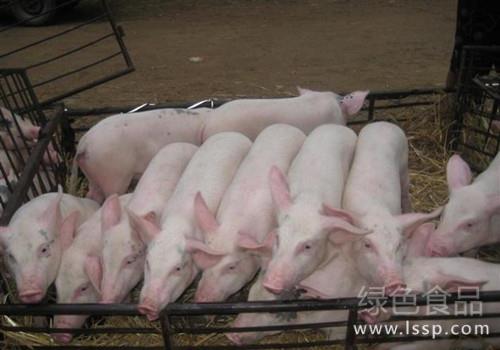
Piglets
To eliminate internal and external parasites in piglets, drugs that are safe, effective, low in cost and easy to use should be selected according to the piglets' age, physique and condition as well as the biological characteristics of the parasites. The following points should be noted in actual practice:
1. Pay attention to the timing of deworming. Deworming is mainly carried out in spring and autumn. Generally, the first deworming is done when piglets are 45-55 days old, and the second deworming is done 60-70 days later. To achieve satisfactory results, deworming should preferably be carried out in the evening.
2. Use scientific methods. Before deworming piglets, they should first be withheld from one feeding (about 12 hours); then, at the evening feeding, mix the drug evenly with the feed and give it to them in one feeding. If a relatively large number of piglets are being dewormed, attention should be paid to each piglet's feed intake, and uneven feeding must be avoided. If the ear application method is used for deworming, care should be taken to clean the skin of the piglets' ears, and the medicinal liquid should be applied evenly.
3. Choose appropriate deworming drugs. For deworming, broad-spectrum, low-toxicity and highly effective drugs should be selected, such as Dachongxing, Quchongjing, albendazole, levamisole, etc. Dachongxing is given at a dosage of 1 gram per kilogram of body weight; Quchongjing is given at a dosage of 20 milligrams per kilogram of body weight; albendazole is given at a dosage of 15 milligrams per kilogram of body weight; levamisole is given at a dosage of 8 milligrams per kilogram of body weight; if trichlorfon is used, it can be calculated at 80-100 milligrams per kilogram of body weight. For deworming with important drugs, Rangoon creeper can be used: piglets of 10-15 kg are given 5-8 seeds each time; piglets of 20-40 kg are given 15-20 seeds each time; or raw pumpkin seeds can be given at a dosage of 2 grams per kilogram of body weight, used 2 times consecutively.
4. Do a good job of pigsty sanitation. After piglets are dewormed, the manure in the pen should be cleaned up promptly by methods such as piling and fermentation, incineration or deep burial, and the floor, walls and feeding troughs in the pen should be disinfected with 10%-20% lime milk or bleaching powder liquid, so as to kill parasite eggs and reduce the chance of secondary infection in piglets.
5. Strengthen feeding management. After piglets are dewormed, more feed with high vitamin and mineral content should be fed to enhance their physique and disease resistance, and at the same time sufficient clean drinking water should be provided.
In order to strengthen the gastrointestinal function of piglets, the work of stomach washing and stomach strengthening should also be done well before fattening. Stomach washing and stomach strengthening are generally carried out on the 2nd day after deworming. Each piglet is given 15 grams of baking soda (sodium bicarbonate) mixed with thin feed at breakfast; after one day, 1 tablet of rhubarb soda is given per 5 kg of body weight, divided into 3 meals; Chinese herbal medicine can also be used instead for stomach strengthening.