Sow mastitis causes red and swollen udders and refusal to nurse — how can it be prevented and treated?
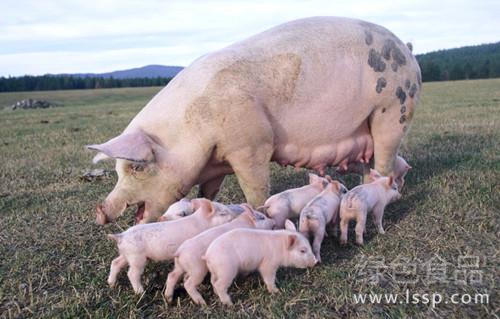
Sow
I. Causes of sow mastitis:
1. The pen area is small and the floor is rough and uneven, so the udder is squeezed and rubbed; pathogenic microorganisms such as Streptococcus, Staphylococcus, Escherichia coli or Pseudomonas aeruginosa invade, and especially teat injuries make bacterial invasion even more likely, leading to mastitis.
2. When a sow is constipated, toxins produced by fecal fermentation damage organs and cause various inflammations, such as metritis, and also aggravate udder edema in sows; in severe cases, it causes mastitis
3. Before and after farrowing, feeding too much concentrate, especially too much carbohydrate, causes the mammary glands to become excessively swollen and rupture, causing hemorrhagic mastitis.
4. The pen is unsanitary; especially before farrowing, if the sow's udder is not washed, or no disinfection is done, and the pen is not cleaned, bacteria breed, leading to bacterial infection and mastitis.
5. Few piglets and abundant milk, incomplete suckling, and residual milk accumulation; blocked teats, poor milk flow, and so on can all lead to mastitis.
II. Symptoms of sow mastitis
1. Udder symptoms of mastitis:
Redness, swelling, pain, heat and functional impairment. In the early stage of the disease, the sow's udder becomes congested, red, swollen and painful, and she refuses to nurse. If piglets touch the udder, the sow will immediately stand up or grunt, become restless, irritable and move about erratically; sows with vicious habits may even attack piglets or eat them (piglet-eating vice). Sick pigs have reduced milk yield or poor milk flow, and the milk manually expressed is thick, contains curds, or is mixed with pus and blood. The udder of the sick pig becomes abnormally enlarged. In the later stage, connective tissue proliferates massively, the udder becomes hard, and the teats may even become closed.
2. Systemic symptoms of sow mastitis:
After becoming ill, the sow is depressed and has poor appetite; some have body temperature rising to 40°C–41°C. The longer it lasts, the harder it is to control and recover from. Affected sows lose body condition very quickly, become emaciated, and may even become dehydrated.
III. Harm of sow mastitis:
1. After sow mastitis is cured, the estrus period after weaning is prolonged, or the sow has silent estrus or no estrus.
2. Milk quality is extremely poor; piglets develop diarrhea, immunity declines, and secondary diseases are likely.
3. Piglets become emaciated and weakened due to lack of milk, and may even starve to death or die of dehydration.
IV. Prevention and control of sow mastitis:
(1) Prevention
1. Strengthen sanitation management of the sow barn, keep the pig barn clean, and disinfect regularly. When the sow is giving birth, make her lie on her side as much as possible, keep the assisted delivery time short, and prevent nursing piglets from biting the teats.
2. Three-injection health care for sows:
3. On the day of farrowing, on the 3rd day after farrowing, and on the 7th day after farrowing, inject 15 milliliters of Jiling respectively.
4. For 7 days before and after farrowing, add per ton of feed: 1 kilogram of 'Meiyishi' + 0.5 kilogram of Pannike
(2) Treatment
① Local therapy:
a. After washing and drying the udder, apply a hot compress with a warm towel, then apply ichthammol ointment (or ichthammol cod liver oil) or camphor ointment, spreading the medicine onto the skin of the affected udder area.
b. Injecting antibiotics into the teat works very well; that is, after diluting the antibiotic with a small amount of sterilized distilled water, inject it directly into the milk duct. During medication, piglets that suckle should be artificially fed, to reduce stimulation of the sow and at the same time protect the piglets from infection through the milk.
② Systemic therapy:
a. Intramuscular injection: penicillin, streptomycin, gentamicin, enrofloxacin, ciprofloxacin and sulfonamide drugs, by intramuscular injection, for 3–5 consecutive days. Penicillin and streptomycin, or penicillin combined with neomycin, give better therapeutic results.
b. It is recommended to give the sow an intramuscular injection of 15 milliliters of Jiling or Saifukang.