Poor appetite, fatigue, long-term diarrhea: Causes of diarrhea in cattle and prevention and treatment measures
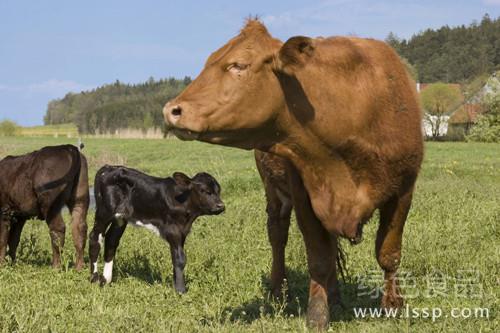
Cattle
Moldy diarrhea:
Feeding cattle moldy feed can very easily cause moldy gastroenteritis. The sick cow is listless, has reduced appetite, rumination decreases or even stops, continuous diarrhea, feces are foul-smelling and mixed with foam, mucus and blood, but body temperature does not rise, and treatment with various antibacterial agents is ineffective. Treatment: each time administer by oral drench 2500-4000 milliliters of 0.9% saline, 2-3 times daily, while supplying fresh green succulent feed. In severe cases, intravenous injection of 1000-3000 milliliters of 5% glucose sodium chloride injection and 2-4 grams of VC is required.
Toxic diarrhea:
Feeding cattle overly acidic silage or distillers' grains can easily cause ruminal acidosis. The sick cow is depressed, the conjunctiva is pale red, appetite decreases or even is completely lost, the gaze is dull, the gait is staggering, and the hind limbs kick at the abdomen. In severe cases, the animal lies down and cannot rise, grinds its teeth and groans, has muscle tremors, and appears comatose or even collapsed. In the early stage it passes gray thin feces, then it turns into green frothy watery diarrhea; if not treated promptly, it will eventually pass blood and die. Treatment: take 50-100 grams of lime, add 1000-1500 milliliters of water, stir thoroughly and let stand to settle for 5-10 minutes, take the supernatant liquid and administer by oral drench at one time, 3 times daily, for 2-3 consecutive days. In severe cases, intravenous injection of 200-400 milliliters of 10% calcium gluconate injection is required.
Unclean diarrhea:
Because cattle eat dirty matter and sewage, bacterial gastroenteritis is very easily caused. The sick cow is depressed, body temperature rises, appetite and rumination decrease or even are completely lost, continuous diarrhea occurs, in the early stage feces are passed in a spraying manner, and in the later stage defecation is weak, with feces mixed with foam, mucus and blood. Treatment: use 60 grams of garlic, crush it, add an appropriate amount of water and administer by oral drench, 3 times daily; in severe cases, intramuscular injection of chloramphenicol, 5-10 milligrams per kilogram of body weight each time, together with oral sulfadiazine, with an initial dose of 0.2 grams per kilogram of body weight and a maintenance dose of 0.1 grams, twice daily.
Grass-eating diarrhea:
Cattle eating too much newly sprouted tender grass or green feed leads to gastrointestinal dysfunction and causes diarrhea; the feces are thin and green, and the sick cow's spirit and appetite are good, with normal body temperature. Prevention and treatment: in mild cases, it is only necessary to feed an appropriate amount of dry hay or rice straw and control the intake of tender grass and green feed, and recovery will occur. In severe cases, take 50-75 grams of ginger, crush it and fry it until cooked, add 50-100 milliliters of baijiu, and administer by oral drench at one time, 3 times daily; after 2-3 consecutive days it can be cured.
Overwork diarrhea:
After winter, farm cattle are thin and weak, and if they suddenly carry heavy draft work after the beginning of spring, the muscles, bones and internal organs are all easily injured. The signs are lying down all day, fatigue and weakness, reduced or completely lost appetite, long-term continuous diarrhea, and feces mixed with foam, mucus and blood, but body temperature does not rise. Prevention and treatment: take 50-75 grams of sappanwood, decoct in water and wait until warm, add 50-75 grams of chopped fresh cycad leaves, and administer by oral drench at one time, 3 times daily; after 3-5 consecutive days it can be cured.