How to Manage Pig Farms After Floods in Many Parts of the South
Recently, heavy rains have hit many parts of the south. Many pig farms are located in low-lying areas, which leads to large amounts of standing water and even flooding of the farms, causing mass deaths of pigs. Various types of filth and garbage flow along with the floodwater, causing severe pollution of pig houses, water sources, and the environment. Bacteria, viruses, parasite eggs, and other pathogens in the soil are washed out by the floodwater and also become sources of infection, making outbreaks of pig diseases very likely. After a flood, in order to cut off sources of infection, eliminate pathogens, and prevent and control epidemics, strict disinfection must be carried out for pig houses, the environment, water sources, tools, vehicles, and so on, along with harmless disposal of carcasses, preventive vaccination on pig farms, and prevention of feed molding.
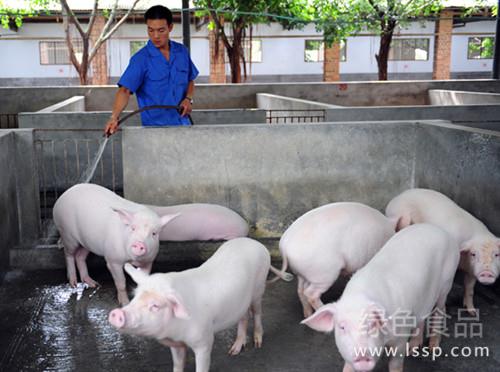
Pig Disinfection
I. Harm to Pig Farms After a Flood
1. Infectious diseases are likely to occur after a flood. Because temperature changes are large, infectious diseases are most likely to be triggered, such as swine fever, foot-and-mouth disease, anthrax, swine pasteurellosis, colibacillosis, salmonellosis, pasteurellosis, and so on. Moldy feed and bedding can also cause aspergillosis. Therefore, after a flood, troughs, water troughs, and their utensils should be cleaned and disinfected in a timely manner. Stored feed should be carefully checked, and any moldy feed should be handled promptly. In severe cases, continued use should be prohibited. Pens with accumulated manure should be thoroughly cleaned and disinfected after a flood. After a flood, well water quality deteriorates, and some of it becomes polluted and unusable. In order to prevent disease outbreaks caused by drinking water contamination, close attention must be paid to changes in well water quality. For well water from shallower sources, it is best to pump the well water, disinfect it, and then give it to pigs to drink. For well water that may have been contaminated by pig manure, sewage, garbage, and dirty materials, not only should the well be cleaned out and disinfectant added, but use should also be suspended for a period afterward before it is used again.
2. After a flood, insect-borne diseases must be prevented. After a flood, flies, mosquitoes, blackflies, and other insects breed in large numbers, and the incidence of many diseases increases because they are transmitted by blood-sucking insects such as mosquitoes and ticks. For example, spirochetosis, toxoplasmosis, and eperythrozoonosis can be transmitted by blood-sucking insects such as biting midges, blackflies, mosquitoes, and ticks. They transmit many internal and external parasitic diseases. After a flood, weeds inside and outside the pig farm should be removed promptly, and the drainage system should be dredged as soon as possible to avoid standing water and manure on the farm after the flood. To prevent harmful insects from breeding, highly effective, low-toxicity, and safe insecticides can be selected for spraying.
3. After a flood, stress-related diseases must be prevented. After a flood, the weather is still very hot with no wind, the air quality in pig houses is generally poor, humidity is too high, and air pressure is very low, which often causes discomfort on pig farms. Under such environmental conditions, pigs are extremely prone to stress reactions, leading to decreased appetite, rapid breathing, lethargy, and even skin diseases such as eczema and dermatitis. Especially at noon after a flood, sunlight is very intense, evaporation is high, and the air is unusually muggy, so heatstroke cases often occur. The nutritional content of the feed should be increased, and the protein content should be raised to ensure the supply of protein in pig feed. To cool and relieve heat, some fresh vegetables, watermelon rind, and the like can be added to the feed, and excessive drinking should be avoided to prevent fluid and metabolic disorders. When feeding, feed less but more frequently to prevent leftover feed from molding overnight. Pigs should be provided with sufficient, clean, and hygienic drinking water, and 0.5% Odeman A and vitamin C should be added to the drinking water to reduce stress and enhance the body's resistance.
II. Disinfection of the Environment and Pig Houses
1. Disinfection of the environment. First, thorough sweeping and washing must be carried out. For pig houses flooded by floodwater, accumulated mud, sand and gravel, manure, garbage, and various types of filth must be removed. Sweeping and washing should be carried out in a certain order: first the roof, then the walls, then the floor; from the far end of the pig house to the door; first indoors and then outdoors, proceeding step by step without leaving any blind spots. Careful and thorough sweeping and washing can not only remove most pathogens, but also greatly reduce the amount of organic matter such as manure and garbage, which helps chemical disinfectants work effectively. After thorough sweeping and washing, chemical disinfection can be carried out. Generally, 2 to 3 types of disinfectants with different modes of action should be used for 2 to 3 rounds of disinfection. After environmental disinfection, spray the microecological environment improver Hushean so that a large amount of probiotics covers the inner and outer surfaces of the livestock housing, inhibits the growth of harmful microorganisms, and protects the health of the disinfected environment.
2. Disinfection of pig bodies. Spray disinfection of pig bodies is relatively comprehensive and thorough. It can directly kill pathogenic microorganisms hidden in the pig house environment, including those in the air, and can also directly kill pathogens retained on the body surface and superficial respiratory tract of pigs. It has a good preventive effect against swine fever, foot-and-mouth disease, and so on; it also has a very good preventive and therapeutic effect on bacterial diseases such as swine staphylococcosis, eperythrozoonosis, and colibacillosis. After spray disinfection, spray Hushean again inside the livestock housing. This not only improves the microecological environment, but also settles dust, prevents heat and lowers temperature, provides humidity, purifies the air, and improves the air quality of the pig house environment.
3. Disinfection of various tools on pig farms. There are many kinds of tools and supplies on pig farms, and because the materials and uses of these tools and supplies differ, the disinfection methods used are also different. Tools can be fumigated with potassium permanganate. Feeding troughs, water troughs, buckets, basins, and so on should first be scrubbed with 2% caustic soda and then rinsed with clean water before use. Vehicles, including cars, four-wheeled carts, handcarts, and so on, should be sprayed. Work clothes can be cleaned and then disinfected, or they can be irradiated with ultraviolet lamps. After a flood, disinfection work must be done carefully. 4. Harmless disposal of dead and drowned pigs. After a flood, many pigs are scattered by the floodwater, which then causes disease and mass deaths. The bodies of dead pigs carry large amounts of pathogenic microorganisms. If harmless disposal is not carried out in a timely manner and the bodies are left to rot and mold and give off a foul odor, pathogens will flow with water and spread everywhere with the air, transmitting diseases. This not only pollutes the environment but also easily causes major epidemics among humans and livestock. For the carcasses of dead pigs, the simplest treatment method is deep burial. For deep burial, a high-lying area should be chosen, and the pit should be more than 2 m deep. After the carcass is placed in the pit, lime or disinfectant should be scattered over it, and then a thick layer of soil should be covered over it. If conditions permit, incineration can be used. The carcasses of pigs that died in floodwater are strictly forbidden to be eaten or sold.
Pig Epidemic Prevention
III. Preventive Vaccination and Drug Prevention
For pig farms affected by floods, one round of preventive vaccination should be carried out. For swine fever, foot-and-mouth disease, anthrax, swine pasteurellosis, swine erysipelas, piglet paratyphoid, and so on, vaccines should all be administered in a timely manner to prevent the occurrence of infectious diseases. After a flood, the epidemic prevention tasks of pig farms and farmers are especially heavy, and they must be mentally prepared to prevent major diseases after the flood and do a comprehensive job in epidemic prevention work. Add 0.5% Odeman A to the daily ration and use it continuously for half a month to improve the immune effect of vaccines and enhance the body's resistance.
IV. Preventing Feed from Moldering and Deteriorating
After a flood, humidity is very high and temperature is also high, which is exactly a suitable environment for mold growth. If feed on pig farms is not properly protected, it will become moldy, and pigs will be poisoned after eating it. Feed storage rooms must not be damp, and stacked feed should be kept higher off the ground, and can be propped up with red bricks or pallets. For feed suspected of already being moldy but not too seriously, a mold remover such as 0.1-0.2% Namontmorillonite can be added to the feed. If the mold is very serious, it must not be used as feed to feed pigs in order to prevent mold poisoning.
In short, after a flood, the harm to pig farms is very great, causing environmental pollution on the farm. Dirty water, garbage, filth, and long-term soaking in water give off a pungent odor. If not removed in a timely manner, this will be a major hazard to the pig farm. Therefore, pig houses should be cleaned promptly, standing water drained, thorough disinfection carried out, harmless disposal of dead pig carcasses done well, and vaccination, drug prevention, and prevention of feed molding done carefully. Only in this way can the pig farm be guaranteed to get through the difficulties and create a good and healthy living environment for the pigs.