Causes and Prevention Methods of Salt Poisoning in Meat Sheep
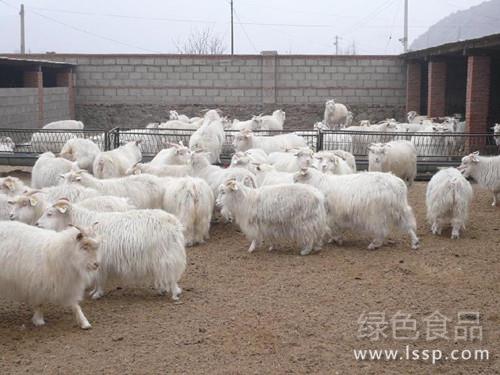
Meat Sheep
In meat sheep farming, especially in the current housed feeding systems, salt is an indispensable component of the feed. An appropriate amount of salt can ensure normal water and salt metabolism in the meat sheep's body, thereby enhancing appetite and digestive activity. However, if the amount is excessive, it will cause salt poisoning in meat sheep. Therefore, salt poisoning should be carefully guarded against in meat sheep farming. The symptoms and treatment methods of salt poisoning in meat sheep are introduced as follows:
The poisoning dose of salt for meat sheep is 3 to 6 grams per kilogram of body weight; the lethal dose of salt for adult meat sheep is 125 to 250 grams. Whether meat sheep experience salt poisoning or death does not depend solely on the amount of salt intake, but also on whether their drinking water is sufficient. If too much salt is ingested but a large amount of water is also consumed at the same time, poisoning will not necessarily occur. On the contrary, if too much salt is ingested and drinking water is insufficient, then the chance of poisoning will increase. Feeding meat sheep feed containing 2% salt while restricting their drinking water resulted in poisoning after several days; but feeding feed containing 13% salt without restricting drinking water resulted in no poisoning.
Symptoms: Salt poisoning in meat sheep mainly manifests as labored breathing, reddened and congested conjunctiva, thirst, greatly increased desire to drink, blurred vision or blindness, muscle tremors and spasms, and finally falling to the ground, irregular paddling of the limbs, and death in a coma. Necropsy reveals congestion and hemorrhage in the meninges and brain, and reddening, hemorrhage, or edema of the gastrointestinal mucosa.
For treatment and diagnosis in the early stage, 500 milliliters of normal saline containing 5% glucose can be injected intravenously; 150 to 200 milliliters of castor oil can be administered orally. Severe cases are very difficult to treat.
In the daily diet of meat sheep, attention must be paid to the use of salt. It should be appropriate in amount and fed scientifically to avoid salt poisoning. If meat sheep experience salt poisoning and are not treated in time, death will occur, thereby causing economic losses to the farm.