Vitamin A Deficiency, Impaired Vision in Sheep, and Methods for Preventing and Treating Vitamin A Deficiency in Sheep
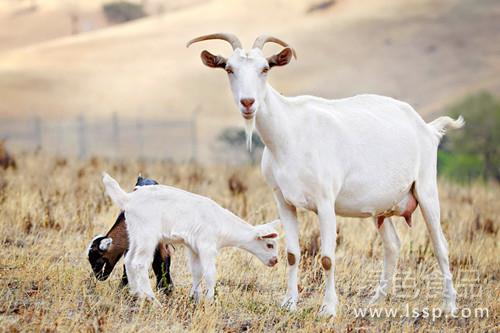
Sheep
1. Causes:
Because vitamin A is lacking in the diet, this disease is easily seen in flocks that are kept in sheds for long periods and cannot get access to feed. Under normal circumstances, vitamin A can be stored in the body, and when its content in the feed is low, the stored portion can be mobilized to meet requirements. However, during long periods of drought, snow, or lack of green fodder, the vitamin A stored in the body is used up. Therefore, if a sheep's vision is poor at such a time, it can be considered to be due to a lack of vitamin A.
2. Symptoms:
When sheep lack vitamin A, the synthesis of rhodopsin in the retina is impaired, which affects the retina's ability to sense weak light stimuli, resulting in night blindness. Sheep lacking vitamin A show photophobia, reduced vision, and even complete blindness. The cornea thickens, conjunctival cells atrophy, and glandular epithelial function declines, so the conjunctiva cannot remain moist, manifesting as xerophthalmia. Because the secretions of the glandular epithelium are reduced and cannot dissolve invading microorganisms, conjunctival inflammation and corneal softening are further aggravated, and sometimes the changes can involve the deep layers of the cornea.
3. Diagnosis:
A preliminary diagnosis can be made based on a history of long-term lack of green fodder and no vitamin A supplementation, combined with clinical signs such as night blindness, dry eyes, skin keratinization and scaling, ataxia, and impaired reproduction. Analysis of vitamin A and carotene levels in plasma and liver provides a basis for confirming the disease. Examination of conjunctival smears showing an increased number of keratinized epithelial cells has auxiliary diagnostic value.
4. Prevention and Treatment:
1. Pay attention to improving feeding conditions. When formulating the diet, the vitamin A content must be taken into account; 0.1 to 0.4 mg of carotene per kg of body weight should be supplied daily.
2. For pregnant sheep, special attention should be paid to supplying green fodder, and in winter, green hay, silage, or carrots should be supplemented.
3. For housed sheep with vitamin A deficiency, vitamin A preparations should be used immediately for treatment, at a dose of 10 to 20 times the daily requirement.