How to Feed Loach? Master the Correct Feeding Methods and Techniques
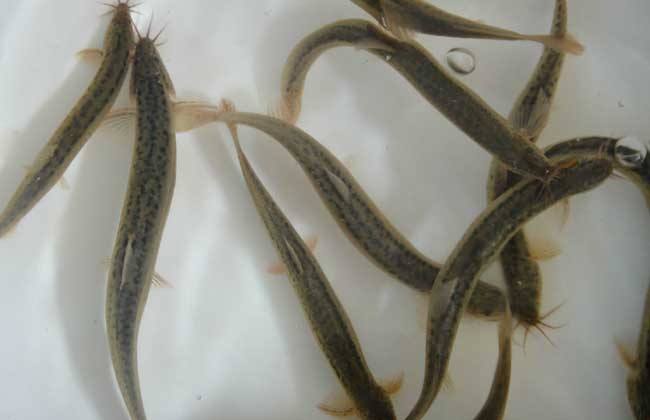
In the process of loach farming, in addition to fertilizing to cultivate natural food organisms, artificial feed should also be given when raising loach. After the loach fingerlings are stocked in the pond, fertilizer should be applied in a timely manner according to whether the water is rich or poor in nutrients, generally once a month, with 10-15 kg applied per 100 sq m each time, so that the pond water turns yellow-green with a transparency of 20 cm. The artificial feed to be given includes animal-based baits, such as silkworm pupae, earthworms,pig bloodmeal, fishmeal, animal viscera, etc.; and plant-based baits, such ascake, rice bran (cooked), rapeseed cake, grains, etc. If the above baits can be made into compound feed, the effect will be even better.
The feeding of loachis closely related to water temperature. When the water temperature is below 20°C, loach feeds on 60%-70% plant-based bait; when the water temperature is 20-23°C, plant-based bait and animal-based bait each account for 50%; when the water temperature is 23-28°C, they feed on 60%-70% animal-based bait. Feed once each in the morning and afternoon every day, and the feeding should change with different water temperatures. Generally, when the water temperature is 15°C, the daily feeding amount is 2%; as the water temperature rises, the daily feeding amount can increase to 7%-8%; in the peak growth season when the water temperature is 22-28°C, the daily feeding amount can increase to 10%-15%; when the water temperature is above 30°C or below 10°C, feed less or not at all. When feeding, make the bait into sticky lumps, place them in the feeding tray, and sink them to the bottom of the water. 2-3 feeding trays can be set up, and during the high-temperature summer period, a shade shed needs to be built above the feeding trays.