What are the harms of using veterinary drug bulk powder directly in farming?
In order to prevent and control diseases, veterinary drugs sometimes need to be added to livestock and poultry feed or drinking water. In production practice, many farms often use veterinary drug bulk powder directly, and the larger the farm (especially poultry farms), the more prevalent the practice of using bulk powder becomes. Farmers mistakenly believe that using veterinary drug bulk powder is simple to operate, convenient and hassle-free, and most importantly, the dosage is small, the price is relatively cheap, and it can effectively reduce drug costs.
In fact, directly using veterinary drug bulk powder on farms has many harms, such as: because the pharmacology is unclear, serious toxic and side reactions are likely to occur; because the dosage is difficult to control, drug-resistant strains are easily produced, creating obstacles for future disease prevention and control; because drug residues are relatively large, it is easy to endanger food safety; because supervision is out of control, it is easy to provide opportunities for counterfeiters, posing a threat to the healthy development of the breeding industry.
1. Using veterinary drug bulk powder is illegal
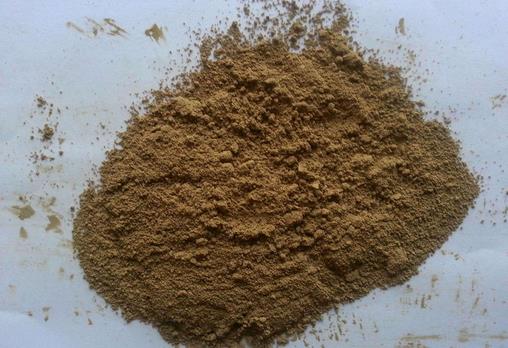
Veterinary drug bulk powder is the raw material used by veterinary drug manufacturers to make finished veterinary drugs, and belongs to veterinary drug active pharmaceutical ingredients. Finished veterinary drugs not only include the active pharmaceutical ingredient, but also contain various components such as synergists, solubilisers and stabilisers. Only by using finished drugs can the best efficacy be brought into play; pure bulk powder simply cannot be directly applied in breeding production.
Article 41 of the Regulations on the Administration of Veterinary Drugs (2004) issued by the State Council clearly stipulates: "Veterinary drugs approved for addition to feed shall be added only after they have been made into medicated feed additives by veterinary drug manufacturers. It is prohibited to directly add active pharmaceutical ingredients to feed and animal drinking water or to feed animals directly with them." Article 68 stipulates: "Anyone who, in violation of the provisions of these Regulations, directly adds active pharmaceutical ingredients to feed and animal drinking water, or feeds them to animals, shall be ordered to correct immediately and shall be concurrently fined not less than 10,000 yuan but not more than 30,000 yuan. If losses are caused to others, compensation liability shall be borne according to law." It can thus be seen that the direct use of veterinary drug bulk powder on farms clearly constitutes an illegal act, and in serious cases the corresponding legal liability must be borne. This behaviour should be corrected promptly.
2. Using veterinary drug bulk powder easily produces toxic and side effects
Adding veterinary drugs to feed or drinking water requires accurately knowing the feed intake or drinking water intake of the livestock and poultry, and also requires converting the relevant data into the dosage per animal or bird, so that accurate administration can be achieved. Bulk powder is different from finished drugs in that it does not indicate the usage amount for livestock and poultry, and ordinary veterinarians or farmers simply do not know the conversion relationship between this drug and finished drugs, let alone the pharmacokinetic parameters of this drug in livestock and poultry. In fact, it is also very difficult to determine the accurate dosage of bulk powder, so directly using veterinary drug bulk powder in production carries potential dangers. For example: maduramicin belongs to the monovalent glycoside polyether ionophore antibiotics, mainly used for the prevention and control of chicken coccidiosis, and has the advantages of broad spectrum, high efficiency, low drug resistance and no residues, so it is widely used, but its clinical dosage is extremely small, its safety range is very narrow, and the recommended dosage is very close to the toxic dosage. The slightest carelessness can lead to poisoning and bring major losses to chicken farms. Therefore, in production it is necessary to choose 1% maduramicin premix; if maduramicin bulk powder is used directly, it is very dangerous; even if the dosage is controlled relatively accurately, if the feed mixing is uneven, poisoning accidents will likewise occur.
The effect of bulk powder is often single sterilisation or bacteriostasis, with no auxiliary therapeutic components, but most diseases of livestock and poultry now, especially infectious diseases, are mixed infections. Using only a single veterinary drug bulk powder for prevention and control will simply not achieve the desired effect. If several veterinary drug bulk powders are combined for application, only an experienced veterinarian can do it; if ordinary farmers mix drugs indiscriminately, incompatibilities are very likely to occur. In mild cases, disease prevention and control is ineffective; in severe cases, poisoning reactions may occur, seriously threatening the safety of livestock and poultry. In addition, some drugs are too strongly acidic or alkaline, and directly using bulk powder greatly irritates the gastrointestinal tract of livestock and poultry, and can also easily cause undue harm.