How to treat pig encephalitis? An old veterinarian recommended a drug
It is a common consensus that the cure rate for pigs with encephalitis is low. Even if it is not an acute death, the subsequent cure rate is extremely low. The clinical manifestations of encephalitis include sudden collapse with an inability to stand; uncoordinated movements of the limbs; paddling motions while lying down; opisthotonus; and the head tilting to one side with an inability to straighten it.
The pathogens commonly causing encephalitis in clinical practice include: pseudorabies, encephalitis-type Streptococcus, Haemophilus parasuis, edema-causing Escherichia coli, Japanese encephalitis, etc.
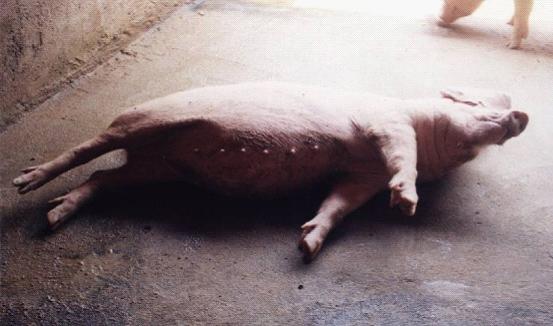
At present, in most pig farms, pigs showing encephalitis symptoms are basically prepared for culling as soon as they are discovered. Treatment is nothing more than intramuscular injection of heat-clearing and detoxifying traditional Chinese medicine injections (Houttuynia cordata injection, Isatis root injection, etc.) and antibiotics (cephalosporins, amoxicillin, sulfadiazine sodium, etc.). Previously, I also thought this was the way to do it, and with the very low cure rate there was nothing that could be done, until I met an old veterinarian who recommended a drug to me. Now the cure rate for encephalitis in my pig farm has improved by several levels. What is this drug?
Mannitol! (Mannitol is generally administered by intravenous drip, and the dosage is generally 0.5 g per 1 kg of body weight. The mannitol sold on the market is 20%, so 1 kg of body weight requires 2.5 ml of mannitol injection.)
Mannitol is a good diuretic and has an excellent effect in reducing intracranial pressure and intraocular pressure. Therefore, it is a commonly used drug in the clinical rescue of brain disorders, with the characteristics of rapid pressure reduction and accurate efficacy.
After mannitol enters the pig's body, it can increase the pig's plasma osmotic pressure and cause tissue dehydration, thereby reducing intracranial pressure and intraocular pressure. After being filtered through the glomerulus, the tissue fluid is not easily reabsorbed by the glomerulus, which increases urine osmotic pressure and carries out a large amount of water to achieve a dehydrating effect.
In clinical treatment of pigs with encephalitis symptoms, symptomatic treatment is needed first, with intravenous injection of mannitol or furosemide to reduce intracranial pressure and intraocular pressure, and then the pathogen causing the disease should be determined for targeted treatment. If the encephalitis is caused by pseudorabies, vaccine immunization should be considered; for Streptococcus, conventional drugs such as sulfonamides and amoxicillin can be selected; for Haemophilus parasuis and Escherichia coli, due to relatively severe drug resistance, drugs with a slightly shorter duration of use such as cephalosporins and tilmicosin can be considered.