How to raise crayfish well? Grasp these five key points
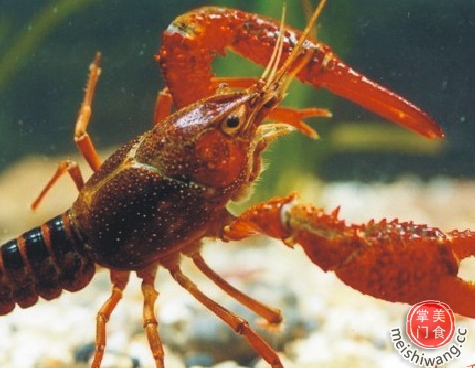
In spring, as temperatures steadily rise, crayfish farmers need to strengthen pond patrols. When the water temperature reaches above 10°C, crayfish will crawl out of their burrows to feed. This is a critical period for crayfish farming. The editor has compiled five key points; grasp these five key points to safely get through the dangerous rearing period.
Add water and fertilize
Add enough water to the pond in one go to stimulate the crayfish to come out of their burrows, so they start feeding and growing early; at the same time, let all the overwintering crayfish come out of their burrows together, which helps produce crayfish fry of uniform size for breeding.
After adding water, apply fermented organic fertilizer such as chicken manure, pig manure, or cow manure, about 100 kg per mu, to cultivate abundant plankton for the shrimp fry to feed on. Afterwards, based on the specific fertility of the pond water, apply organic fertilizer once a month to ensure the stability of the pond water quality and maintain a relatively high density of plankton in the water.
Feed as early as possible
Crayfish are omnivorous animals, and both plant-based and animal-based baits can be successfully introduced. However, crayfish after overwintering are relatively weak in constitution and need large amounts of food and nutrition to fatten up and grow. Therefore, crayfish that have started feeding should preferably be given more animal-based bait, such as fresh trash fish and river snails. This can not only improve the plumpness and survival rate of broodstock, but also meet the needs of broodstock for breeding young shrimp. Of course, when introducing animal-based feed, appropriately matching some plant-based bait can achieve the best rearing results. At this time, note that: the water temperature is still relatively low, and crayfish eat relatively little. Be sure to pay attention to the feeding amount. Since the number of shrimp in the pond is difficult to estimate, feed according to weather conditions, following the principle of feeding more on sunny days and less on rainy days. The feeding amount is generally controlled so that it is eaten within 2 hours, feeding once each in the morning and evening.
In mid-to-late March, introduce river snails at 100 kg to 200 kg per mu, so that around Qingming a batch of small snails is produced for the young shrimp to feed on. Do not introduce too many live river snails in early spring, to prevent too many snails from absorbing large amounts of fertilizer, causing the pond water to become too lean and breed blue-green algae, which would affect the growth of crayfish. In later rearing, some river snails can be added again in June according to specific conditions.
Catch the large and leave the small to reduce density
Half a month after starting feeding, in order to reduce crayfish density, catch and sell the crayfish that have reached market size (do not catch egg-bearing shrimp). Suggestion: use ground cages with slightly larger mesh; otherwise, if the mesh is too small, young shrimp will be trapped in the cages, affecting their normal feeding and growth.
Transplant aquatic plants
Crayfish very much like to eat the tender buds of newly grown aquatic plants in early spring. Therefore, strengthen feed feeding to reduce crayfish feeding on the tender buds of aquatic plants and ensure the sprouting and growth of aquatic plants. For ponds with relatively few aquatic plants, in mid-to-late April, aquatic plants such as tape grass, water hyacinth, and alligator weed can be transplanted into the pond. When transplanting alligator weed, place it along the edges.
Multiple different varieties of aquatic plants should be transplanted in the same pond, and it is appropriate for the aquatic plant coverage area in a crayfish farming pond to account for about 1/3 of the pond, to ensure that plants are not lacking throughout the entire rearing period. Transplant in different places such as along the pond edges, shallow water areas, and deep water areas to meet the crayfish's various needs for feeding, climbing, molting shelter, and more.
Daily management
In order to check the feeding and activity of crayfish, patrol the pond once each morning and evening every day, checking whether the pond has seepage or holes through which shrimp may escape, and deal with any problems immediately.