Reasons for Crayfish Molting and Precautions for Farmers During the Molting Period
Crayfish growth is mainly achieved through molting. From the larval stage to marketable size, crayfish need to molt 11-12 times. Each molt is equivalent to a "rebirth." Molting is an important indicator of crayfish growth, weight gain, and reproduction. The quality of molting directly determines the size of the crayfish, so how to improve the success rate of molting is crucial! A reminder: the principle of crayfish molting is almost similar to how women give birth, so it might feel simpler to understand it this way!
Friends, sit tight and listen to the old hand share his experience!
First, why do crayfish molt?
Crayfish are crustaceans that achieve growth through molting. From juvenile shrimp growing to adult shrimp, multiple molts will occur throughout the entire growth process.
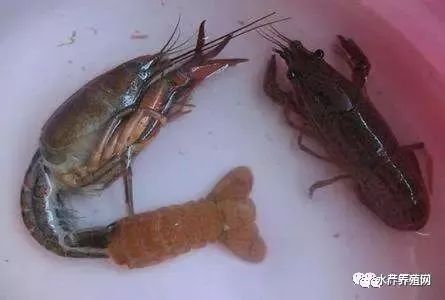
During the farming process, we often encounter problems such as soft shells in crayfish, death caused by failed molting, and being eaten by the same species during the molting period. To help crayfish molt smoothly, preparatory work should be done before crayfish molt.
Second, what are the corresponding preparatory tasks?
Adjust water quality well, pay attention to nutrition; increase calcium, ensure dissolved oxygen;
1. Adjust water quality well
Regularly use microbial preparations to improve the bottom. Common microbial preparations include Bacillus subtilis, EM bacteria, photosynthetic bacteria, nitrifying bacteria, and denitrifying bacteria. In freshwater aquaculture, the most commonly used are Bacillus subtilis and EM bacteria; in seawater and brackish water aquaculture, the above types are all commonly used. During the farming cycle, use once a week, alternating two or more bacterial strains, so that the water environment reaches its optimal state and molting is ensured.
2. Pay attention to nutrition
Feed nutritionally complete feed. The crayfish molting process consumes a large amount of energy, and the energy mainly comes from the bait we feed daily. Before molting, it is recommended to strengthen bait feeding and nutrition. You can feed more animal-based bait or high-protein commercial feed, and reasonably increase it according to water quality and feeding conditions, to meet the crayfish's stored nutritional energy. At the same time, during high-temperature months when diseases break out, traditional Chinese medicines such as allicin, Sanhuang powder, and Wuhuang powder need to be added to the feed to prevent enteritis and hepatopancreatic lesions. Entering May, you can mix Banlangen and Shidishui into the feed for feeding.
3. Increase calcium
Regularly use lime to supplement calcium in the water body, so that the calcium element in the water is sufficient, which helps meet the crayfish's calcium needs and ensures safe molting. For crayfish, it is recommended that the lime usage be at a ratio of 10 jin per mu at one meter water depth, used once every 10 days.
4. Ensure dissolved oxygen
Ensure dissolved oxygen. Freshwater crayfish have a certain ability to tolerate low oxygen, but under pond culture mode, especially intensive culture mode, the density is high and the demand for dissolved oxygen is high. Generally, it is required not to be lower than 3mg/L. In addition, during the molting period, crayfish have higher requirements for dissolved oxygen and it must be maintained above 5mg/L.
During the molting period, the shrimp's physical strength and self-protection ability are relatively weak. Sufficient dissolved oxygen can help the shrimp recover better. At the same time, natural enemies of crayfish should be avoided, such as snakehead, catfish, rice field eel, etc.
* Third, what precautions are there during the molting period?
1. Crayfish molting requires a quiet environment, so during the molting period, minimize underwater operations!
2. During the molting period, although crayfish do not eat much, feed cannot be completely withheld, because it is difficult for crayfish in the pond to molt synchronously. Insufficient bait will lead to cannibalism of soft-shelled shrimp;
3. During the molting period, resistance is relatively weak. Do not use highly irritating drugs, such as insecticides, moss-killing drugs, etc., to avoid relatively large stress or poisoning;
4. Patrol the pond frequently and pay timely attention to the molting situation of crayfish;
* How to judge whether crayfish need calcium supplementation?
Here is a simple little method for everyone: peel off the crayfish's carapace and hold it against sunlight. You can clearly feel that it is penetrated by sunlight, thin, and fragile. This situation means calcium supplementation is needed!
Warm reminder: as long as the water hardness of the pond is sufficient, basically there is no need to use lime or calcium supplement products for calcium supplementation!
Author: Liu Guangjin