African swine fever appears in Vietnam for the first time; how should the latest outbreak be prevented?
African swine fever has developed particularly severely in China, so screening at airports is also very strict, and the baggage of passengers at ports is also subject to very strict checks. But what about it? On the Vietnamese side, no news of African swine fever had been reported, so the screening of the baggage of tourists traveling from Vietnam was not subject to such high requirements. However, on February 15, a piece of pork from Vietnam was confirmed positive for African swine fever, the first case of African swine fever from Vietnam.
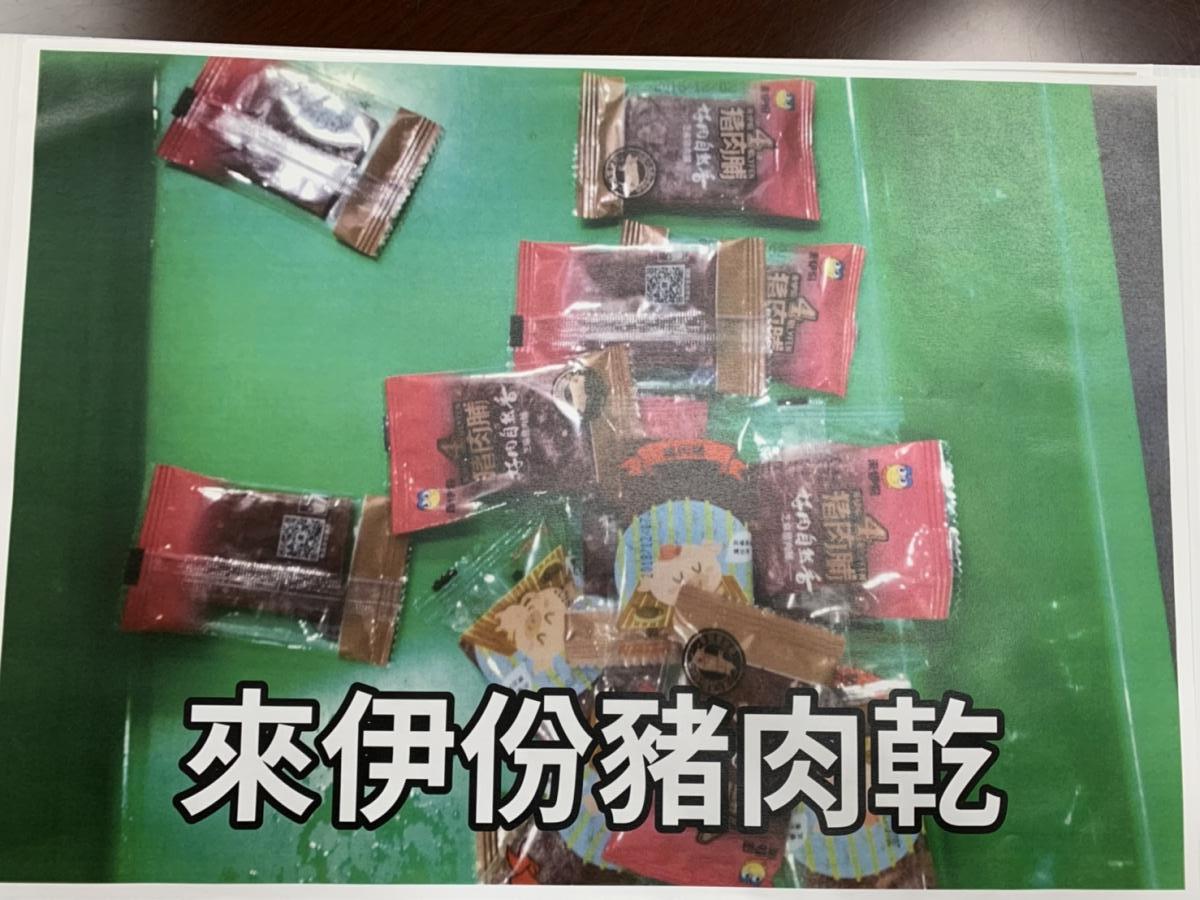
Because the situation of inbound travelers from Vietnam illegally carrying meat products is second only to that of China, the Bureau of Animal and Plant Health Inspection and Quarantine began in November 2018 to sample pork products illegally brought in from Vietnam and send them to the Animal Health Research Institute to test whether they contained the African swine fever virus, and on February 15 confirmed that a piece of pork from Vietnam was positive for African swine fever, the first case of African swine fever from Vietnam.
Huang Chin-cheng, deputy chairman of the Council of Agriculture, said that on February 5 the Bureau of Animal and Plant Health Inspection and Quarantine seized a Taiwanese traveler illegally carrying a pork sandwich who had taken Vietnam Airlines from Ho Chi Minh City to Tainan Airport. After staff of the Bureau of Animal and Plant Health Inspection and Quarantine stopped the person and imposed a fine of 30,000 yuan, the sandwich was sent to the Animal Health Research Institute for testing, and at 3:30 p.m. on February 15 it was confirmed that the pork in it carried the African swine fever virus, and the sequence of the gene fragment of the strain was 100 percent similar to the gene fragment of the African swine fever virus strain in China. Because Vietnam had never previously reported an African swine fever outbreak, the Bureau of Animal and Plant Health Inspection and Quarantine speculated that the meat product might have originated from China or another epidemic area, and has notified the competent authorities of Vietnam and the World Organisation for Animal Health (OIE).
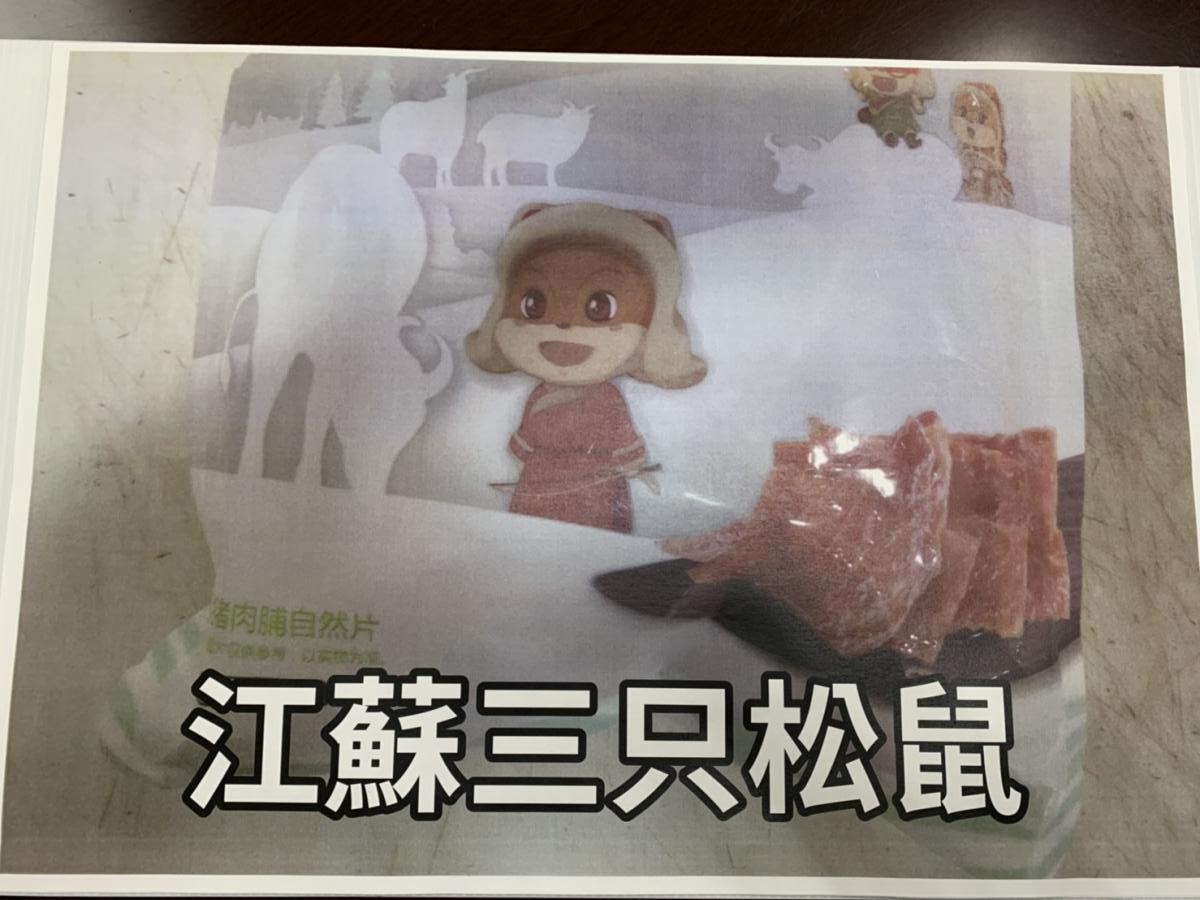
Huang Chin-cheng explained that as of February 13, 2019, a total of 54 cases of illegally carried meat products from Vietnam had been tested, and in addition to the first case of African swine fever from Vietnam seized on February 15, two other meat products from the epidemic areas of China and Macao, China were also found to carry African swine fever. One was "Three Squirrels" brand pork jerky discarded by a traveler from a flight from Hong Kong, China in a disposal box at Taichung Airport, which was the second time this brand had been detected; the other was "Laiyifen" pork jerky carried in by a mainland traveler flying from Macao, China to Taichung Airport. To date, there have been a total of 22 confirmed cases of African swine fever from China.
Huang Chin-cheng stressed that after African swine fever was detected in the meat products brought in from Vietnam this time, relevant information was immediately reported through Vietnam's representative office in Taipei, the office in Taiwan of the World Organisation for Animal Health (OIE) and various channels, and it was announced that starting at 6 p.m. on February 15, the carry-on baggage of travelers from high-risk areas including Vietnam would be subject to 100 percent inspection until the African swine fever outbreak in Vietnam is brought under control.
Huang Chin-cheng explained that Vietnam is currently an epidemic area for foot-and-mouth disease, and under current laws a first violation for illegally carrying meat products is punishable by a fine of 30,000 yuan, a second violation raises the fine to 300,000 yuan, and the maximum fine can reach 1 million yuan. As pork products from Vietnam have now been confirmed to carry the African swine fever virus, the Council of Agriculture is currently drafting rules so that travelers who illegally carry meat products into the country from Vietnam will be subject to the same penalty standards as those from China, Hong Kong, China and Macao, China, and reminding travelers not to defy the law.
Blocking the cross-border spread of African swine fever: international scholars to be invited for discussion
Qiu Chuizhang, director of the Animal Health Research Institute, said that in order to strengthen the integration of regional epidemic prevention information, experts from China's mission to the United Nations Food and Agriculture Organization (FAO) as well as epidemic prevention scholars from Russia, Japan, South Korea, Vietnam, Thailand and the United Kingdom are expected to be invited to Taiwan on March 7 and 8 to share experience in blocking African swine fever, in the hope that through the epidemic prevention experience and policy strategies of various countries, the crisis of the spread of African swine fever can be prevented together.