Tips for Picking Fresh Sugarcane: Is Sugarcane Sweeter at the Root or the Tip?
Sugarcane is one of the seasonal fruits of winter, loved by people for its high water content and sweet taste. Since everyone likes it so much, do you know what benefits and effects sugarcane has? And what tips are there for choosing sugarcane? Is sugarcane sweeter at the root or the tip? It is sweeter at the root, because the sugar content cannot rise upward. But the best-tasting and sweetest part of the sugarcane is the middle section.
The Benefits and Effects of Sugarcane
Supplies sugar. Sugarcane can provide the body with ample heat energy and has a relatively good effect on preventing and treating low blood sugar, eliminating fatigue, and heatstroke.
Strengthens the spleen and promotes urination. Sugarcane has the effects of reducing fever and quenching thirst, promoting body fluid and moistening dryness, harmonising the middle and relaxing the diaphragm, directing qi downward and stopping vomiting, helping the spleen and strengthening the stomach, promoting urination, and nourishing.
Moistens the intestines and relieves constipation. Sugarcane can relieve symptoms such as dry mouth and tongue, insufficient body fluids, difficult urination, constipation, nausea and vomiting, indigestion, and fever with thirst. Eating sugarcane in winter moistens the intestines and relieves constipation. Here are 3 tips for choosing it
3 Major Tips for Choosing Sugarcane
Good-quality sugarcane is juicy and sweet, with a mouthfeel that is watery and low in residue, and it has a fresh aroma. Moldy sugarcane often has a sour-moldy smell and a smell of distillers' grains.
After peeling good-quality sugarcane, the flesh is white, firm in texture, with fine fibres, and rich in cane juice. Poor-quality sugarcane has coarse, hard fibres and little juice, and some is severely lignified or loosely structured. After moldy sugarcane is cut lengthwise, the cut surface is grey-black, brownish-yellow, or pale yellow, and in mild cases reddish-brown stripes of varying thickness can be seen mixed among the longitudinal fibres.
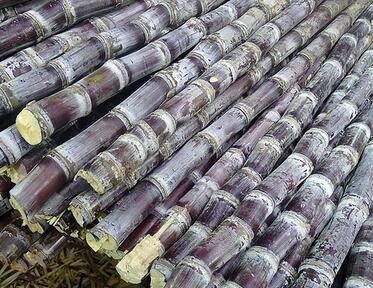
Good-quality sugarcane has thick, hard, smooth stalks that are upright and straight, full of lustre, purple on the surface, covered with white frost, and free of insect-bored holes. Poor-quality or moldy sugarcane often has a dull surface colour and poor appearance, and insect-bored traces can be seen between the nodes or on the small nodes. Generally speaking, the thickness should be uniform; never choose ones that are too thin, and ones that are too thick are generally not recommended either. You can choose based on the thickness that your thumb and index finger can encircle. When choosing, glossy skin and darker colour indicate older cane, and the nodes are closer together.