Earth is greener than it was 20 years ago, and China and India are the biggest contributors
Human activity on Earth usually has a negative impact on the environment: dumping plastic into the oceans, causing ice sheets to melt at an alarming rate, depriving polar bears of their habitat, and so on. But a new study of satellite data shows that over the past 20 years or so, the Earth
Human activity on Earth usually has a negative impact on the environment: dumping plastic into the oceans, causing ice sheets to melt at an alarming rate, depriving polar bears of their habitat, and so on. Buta new study of satellite data shows that over the past 20 years or so, the Earth has become “greener”, and the biggest contributors are China and India.
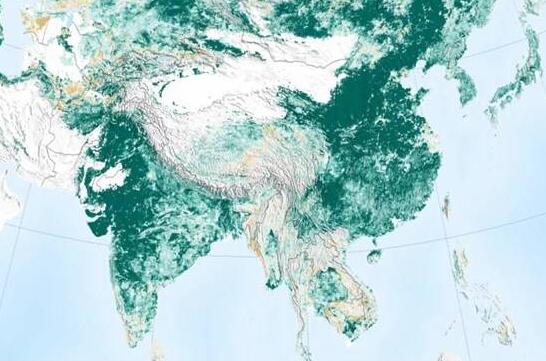
For example, China, which dominates the global increase in greenery, has made a very large contribution to the growth in the Earth's green area through its ambitious tree-planting programmes and intensive agriculture. 42% of China's new greenery comes from forests and 32% from farmland. In India, on the other hand, as much as 82% of the added green plants comes from crops, while only 4.4% comes from new forests.
Part of the reason for China's green effect can be attributed to an ambitious tree-planting programme——the Great Green Wall.In China and India, the vast majority of the greening comes from the intensive agricultural use of land, land that helps feed these countries' 1.4 billion and 1.3 billion people.