Is Turkey Farming Profitable? A Breakdown of Farming Profits
Do you like eating turkey? Then do you know what kind of ingredient turkey is, and what the current farming situation is like? Let's take a look together. It is said that turkeys were introduced during the Dutch colonial period and have a farming history of more than a hundred years.
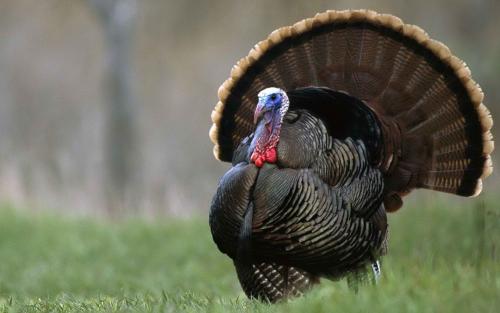
In the past, it was mostly a sideline form of raising a few black-feathered turkeys in farm backyards, but now a professional farming model has taken shape. Taiwan, China currently produces about 200,000 turkeys per year, and there are about 80 turkey farms nationwide, of which 60 are white-feathered turkey farms that specifically supply turkey rice, accounting for 97~98% of total production. Although in recent years the market demand for larger imported turkey breeds has gradually increased, leading to a decline in domestic turkey slaughter, under the guidance of the Council of Agriculture and the efforts of this association and the Republic of China Turkey Raising Association, domestic turkey channels have been actively developed through various marketing and promotional activities, so the overall output value has gradually increased, reaching a scale of NT$600 million.
At present, domestic turkey breeds can be divided into white-feathered and black-feathered; white-feathered turkeys account for the majority, and common commercial breeds include Hybrid, Nicholas and B.U.T. (British United Turkey), among others. The market weight of male turkeys is about 27 kg, and the market weight of female turkeys is about 17 kg; there are fewer black-feathered turkey raisers, and some farmers cross the original local breed (black-feathered, smaller in size) with white-feathered turkeys, with male turkeys reaching a market weight of about 10~15 kg and female turkeys about 6~9 kg. In the pursuit of turkey, people still have demand for it, and the profits are also relatively large.
Turkeys mainly come from hatching turkey eggs imported from the United States, and only after passing quarantine inspection to ensure the quality of the poults are they sent to farms; in addition to paying attention to biosecurity and ventilation, turkey houses must be equipped with misting or other cooling facilities when temperatures are too high; turkeys are mostly raised on litter, and the floor needs to be covered with bedding such as rice husks, coarse bran or wood shavings, which must be replaced frequently and must not be too damp; in addition, because the domestic market prefers larger turkeys, compared with the 3~4 month raising period abroad, the turkey raising period is as long as 5 months, so turkey farmers must invest more effort in care. Compared with native chickens that are slaughtered after being raised for one hundred days, the meat is firm and chewy, and sweeter as well.
Because ordinary small households domestically are unfamiliar with turkey cooking methods and do not have large cooking tools, fresh turkey meat is rarely seen in traditional markets or supermarkets, so after turkeys are slaughtered, they are often sent directly to turkey rice shops, so the turkey rice that consumers feast on at noon may be fresh meat that was slaughtered that very morning!