-

How to Control Anthracnose in Bok Choy? Leaf White Spot Symptom Identification and Fungicide Methods
Bok choy anthracnose is most prevalent from June to September, causing white spots on leaves and brown spots on petioles. This article covers the key points of symptom identification, agricultural control, seed dressing and coating, and fungicide spray formulas for the early stage of the disease, spraying 2-3 times consecutively at 7-10 day intervals.
-

Phalaenopsis Anthracnose Symptoms and Analysis of Causes of Rotten Leaves
For an orchid enthusiast who absolutely loves Phalaenopsis, the most troublesome thing is undoubtedly the pest and disease problems encountered during its growth. Among them, the most difficult virus to deal with in Phalaenopsis is of course "anthracnose." How does it develop? And how should it be handled once it occurs? First, let's talk about this anthracnose. After being infected with this disease,
-
What are the symptoms of anthracnose in Phalaenopsis?
For a flower lover who really loves Phalaenopsis, the most troublesome thing is undoubtedly the pest and disease problems it encounters during the growth
-

How to identify and control anthracnose in Phalaenopsis orchids?
For a flower lover who deeply adores Phalaenopsis orchids, the most feared thing is the threat of pests and diseases during their growth. Today let's talk about the new Phalaenopsis orchid virus, "anthracnose." Anthracnose is characterized by being pitch-black, looking as if it has been scorched by fire - perhaps that is why its name contains the character for "charcoal." Another characteristic is
-
-
Which pesticides are effective for controlling anthracnose in flowers
What pesticides are used for anthracnose in flowers
-
What Are the Symptoms of Walnut Anthracnose? A Detailed Guide to Prevention and Control Methods
1. Distribution and occurrence characteristics Walnut anthracnose generally occurs mostly from June to August, with slight variations from place to place. In Jiangsu, Henan and Shandong it occurs from late June to early July, and in Hebei and Liaoning in August. The pathogen overwinters as mycelium and conidia in diseased fruits, diseased leaves or bud scales, and the following
-
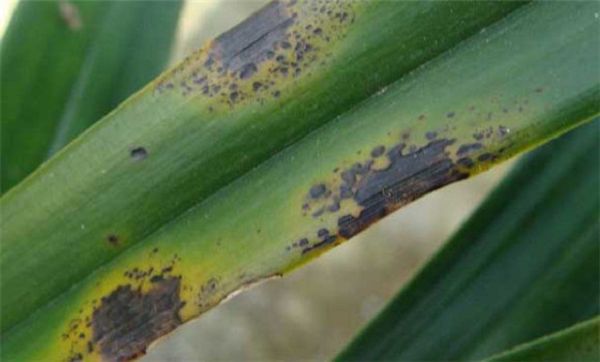
What are the key technical points for controlling anthracnose in orchids?
Key Technical Points for Controlling Anthracnose in Orchids
-
Pests and Diseases of Anoectochilus roxburghii and Its Latest Control Methods
Anthracnose This disease can occur at any time, but it is more likely to occur during the high temperatures and rainy weather of summer. In the early stage of the disease, it slowly spreads from the very tip of the leaf to the rhizome area. At first it is brown, and later it turns black. If not treated in time, the entire plant
-
What to Do When Camellia Anthracnose Is Severe? The Latest Prevention and Treatment Methods
When a camellia has severe anthracnose, treatment must be carried out promptly. First remove the diseased leaves and maintain a well-ventilated, breathable environment around the whole plant. You can spray with a 700-800 times dilution of 50% carbendazim wettable powder or a 600 times dilution of 75% chlorothalonil wettable powder, once every 7 to 10 days, for
条件筛选