How to prevent and control southern blight? Jinggangmycin shows significant control efficacy
Jinggangmycin - the nemesis of southern blight
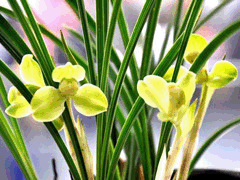 Southern blight is a worldwideorchiddisease. The southern blight pathogen overwinters in soil and on diseased plants. Between spring and summer, during the plum rain season, and in seasons of continuous autumn rain, the disease is especially severe. It develops rapidly, often causing infected plants to rot and wither, leading to the death of the entire plant. Many control methods for this disease have been introduced, and whether they are effective need not be discussed here.
This article introduces a new agricultural antibiotic - Jinggangmycin. This antibiotic is mainly used for the control of rice sheath blight. It is low in toxicity, at a concentration of 3%. When used to control southern blight, dilute with water at 500-700 times.
Methods:
1: First cut off the diseased parts above the stem base, then wash the pseudobulbs clean with water, soak the pseudobulbs in a 500-700 times dilution of Jinggangmycin for 1-2 hours, then take them out and let them dry, and plant them in clean, sterilized potting soil.
2: Using a 500-700 times dilution of Jinggangmycin, directly spray the plants affected by southern blight 1-2 times, and you can see the entire process of southern blight disappearing. If a small amount of mycelium or sclerotia remains, spray 1-2 more times to achieve complete control.
The use of Jinggangmycin to control southern blight has been widely applied among us orchid growers. It is safe, simple, and extremely low in price, and is available in pesticide stores. Orchid growers can use it with confidence. (Kong Azhao)