Does Cabbage Contain Sugar? A Detailed Look at Cabbage's Nutritional Value and Benefits
Is cabbage also an anti-cancer crop? Some say it is the best anti-cancer crop - is that true? Let's take a look.
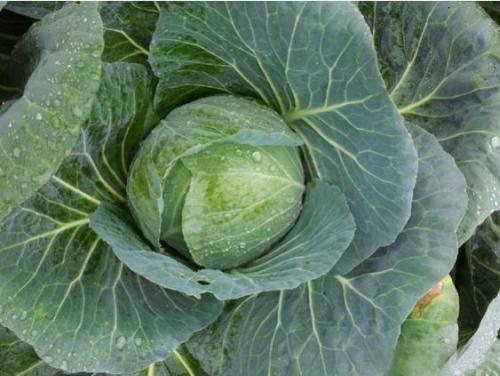
Cabbage, also known as "wrapped-heart cabbage" because its leaves roll into a head, is the stem and leaf of the cruciferous plant cabbage, also called "cabbage greens." It originated along the Mediterranean coast and is now widely cultivated across China. According to its shape, it can be divided into three types: flat, pointed, and round-headed. Cabbage has large, thick leaves and is a vegetable with high nutritional value, and it also has important health benefits - it is a natural anti-cancer medicine.
Sulforaphane: The Strongest Anti-Cancer Effect
Sulforaphane is a plant-based chemical, a bioactive compound found in many kinds of cruciferous vegetables. According to research from Johns Hopkins School of Medicine, sulforaphane may be the most powerful natural anti-cancer substance discovered so far. It can stimulate cells to produce higher levels of phase II enzymes (beneficial enzymes), enabling cells to form a membrane that resists invasion by external carcinogens.
The effects of indole and its derivatives on cancer formation have been studied from many angles. In one study, when 1.6% indole was added to the food and the food was freely consumed, compared with the control group of voles, the amount of food consumed decreased, and the formation of bladder cancer induced by DBN was inhibited.
Using paired feeding of voles for repeated trials, the results also showed that the incidence of bladder tumors was inhibited. Another scholar added 1.6% indole to the feed of mice treated with DBN, and the formation of papillary esophageal cancer was inhibited and the survival time of the mice was prolonged.
In addition to containing multiple amino acids, carotene, and vitamins C and E, most importantly it contains indole, sulforaphane, isothiocyanate, and others. Important cabbages include Brussels sprouts, kale, head cabbage, kale, red cabbage, and others. The first four kinds of cabbage are all listed among the thirty anti-cancer fruits and vegetables recommended by the American Cancer Society.
Isothiocyanates Can Inhibit Cancer Cells
Cruciferous vegetables are particularly notable for containing high amounts of isothiocyanates. Phenethyl isothiocyanate is found in Brussels sprouts, kale, cabbage, cauliflower, turnips, and others. Some scholars have evaluated the inhibition of isothiocyanates and related compounds on cancer formation in the mammary glands, forestomach, and lungs of rodents. Isothiocyanates are substances with two actions: blocking and suppression. Moreover, they can also induce detoxifying enzymes and can inhibit the expression of cells that have already progressed toward cancer.
Some research institutions, in studies on the mutation-inhibiting effects of vegetables and fruits, found that cabbage has an inhibitory effect on the carcinogenic action of aflatoxin, which also confirms its anti-cancer and cancer-fighting effects.
One cup of Brussels sprouts can contain as much as 7.5 grams of fiber, making it one of the best vegetable sources of fiber. All kinds of cabbage are good sources of potassium. Head cabbage is also extremely rich in vitamin A, calcium, and phosphorus.
Cabbage is best eaten raw or juiced from fresh cabbage (200 to 300C.C), taken on an empty stomach, 2 to 3 times a day, for the best effect. However, cabbage contains more and coarser crude fiber than Chinese cabbage, so it is firm in texture, and people with poor digestive function should not use too much.
Now you know it has such great benefits, so you can eat a little more of this vegetable - but in moderation.